Executive Summary & Key Takeaways
In the modern enterprise cloud architecture, the traditional perimeter has dissolved, replaced by a complex, interconnected web of third-party integrations and delegated authorization protocols. At the center of this ecosystem lies the OAuth framework. Designed to allow applications to share data and execute workflows without exchanging user passwords, OAuth has become the primary mechanism powering enterprise collaboration and productivity.
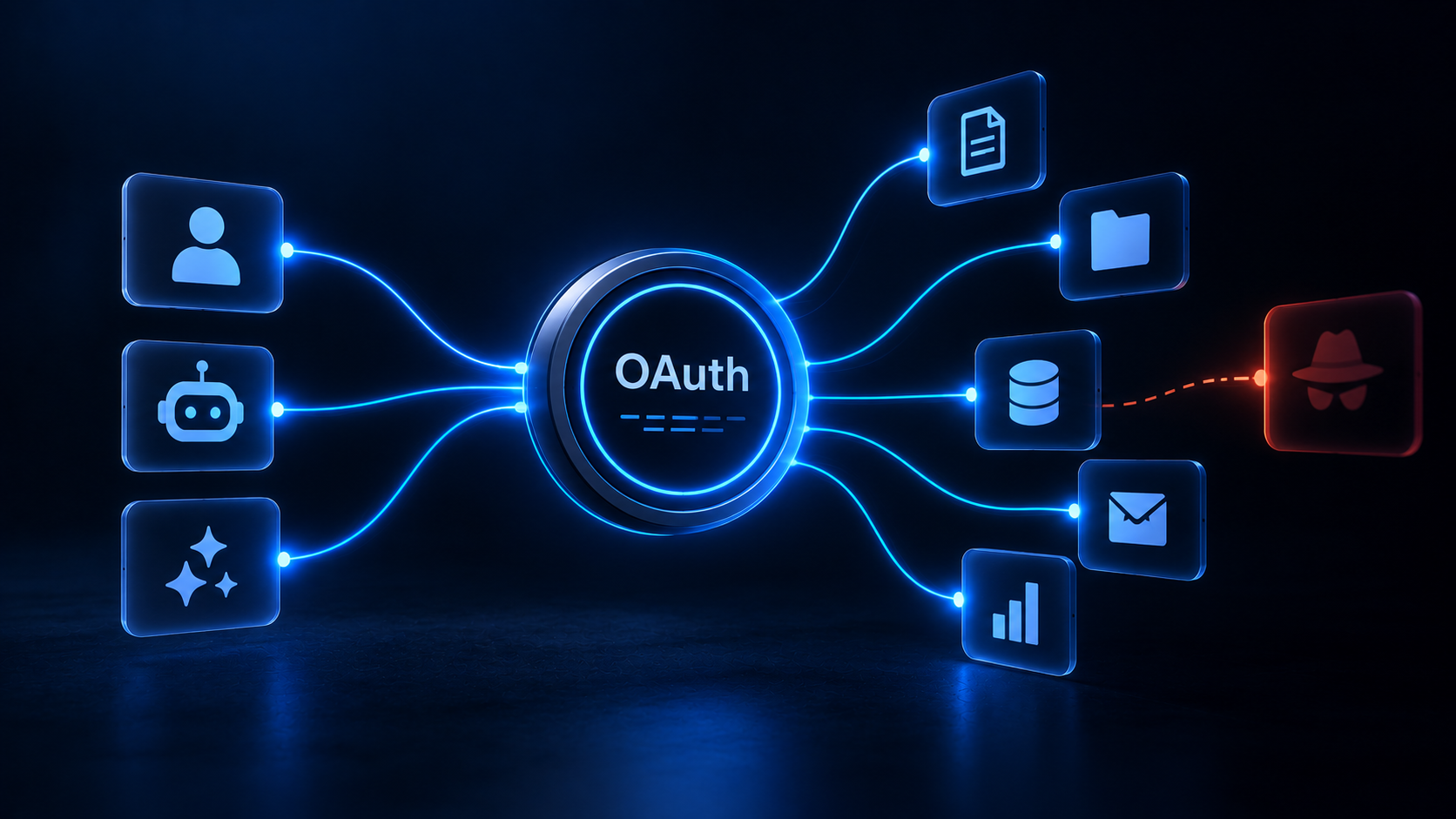
However, the rapid rise of autonomous AI agents and smart integrations has transformed this convenience into a significant structural vulnerability. When an employee connects an AI copilot, an automated summarizer, or a workflow agent to an enterprise application, they routinely grant broad OAuth consent. In doing so, they create persistent, unattended machine-to-machine trust bridges that operate outside traditional identity controls. This is the OAuth supply chain—and it has become one of the most critical attack surfaces in SaaS security.
- The Architecture of Delegated Trust: OAuth grants allow third-party applications and AI agents to access sensitive enterprise records indefinitely, persisting even after browser sessions close and user passwords rotate.
- The Scope of Hidden Exposure: Published research analyzing over 29 million user accounts demonstrates that 85% of cloud applications operate unmanaged, with unvetted OAuth scopes creating silent backdoors into core business databases.
- The Mechanism of Exploitation: Threat actors increasingly target the OAuth supply chain through token theft, consent phishing, and compromised third-party integrations to achieve lateral movement across cloud environments.
- Identity-First Governance: Defending against OAuth supply chain compromise requires automated discovery of all non-human identities (NHIs), continuous evaluation of granted permissions, and automated revocation of stale or over-privileged tokens.
The Mechanics of Delegated Trust: Beyond Single Sign-On
To appreciate the risk inherent in the OAuth supply chain, it is necessary to contrast OAuth authorization with traditional authentication. When an employee signs into an enterprise application via Single Sign-On (SSO), the identity provider verifies who the user is. Once authenticated, the user interacts with the application directly.
OAuth, by contrast, governs authorization—specifically, delegating access to a third party. When a user clicks "Authorize" on an AI productivity tool, they grant the third-party application an access token and, frequently, a refresh token. These tokens establish an independent, machine-to-machine connection directly to the enterprise application's backend API.
This dynamic introduces critical security implications:
- Bypassing Identity Controls: Because API transactions take place directly between the third-party AI service and the target SaaS platform, they bypass multi-factor authentication (MFA), IP restrictions, and device health checks enforced at the login gate.
- Persistence Across Password Changes: In many cloud architectures, resetting an employee's primary enterprise password does not automatically invalidate active OAuth tokens previously granted to third-party integrations.
- Excessive Scope Creep: Third-party integrations often request tenant-wide read and write permissions (e.g., full access to all email, files, or customer databases) simply to execute a minor automation task.
Quantifying the Threat: The Unmonitored Cloud Perimeter
The scale of this vulnerability across enterprise networks is reflected in published threat research. Analysis of enterprise SaaS environments reveals that 85% of SaaS applications used by employees operate outside formal IT management. Within this shadow footprint, OAuth permissions represent one of the primary mechanisms by which sensitive corporate data is exposed.
Furthermore, cloud security incident analysis demonstrates that adversaries increasingly favor identity and integration vulnerabilities over direct software exploits. Threat actors recognize that breaching a well-defended corporate perimeter directly is difficult; compromising an unvetted third-party utility that holds persistent OAuth access into corporate environments is vastly more efficient.
Attack Vectors Across the OAuth Supply Chain
Adversaries leverage three primary attack methodologies to exploit delegated cloud trust:
1. Consent Phishing and Illicit Application Grants
Attackers create malicious web applications that masquerade as legitimate AI assistants or meeting summarizers. Through targeted phishing, they trick employees into granting the application OAuth permissions. Once approved, the attacker obtains persistent API access to the employee's corporate communications and cloud storage without ever needing their login credentials.
2. Third-Party Vendor Compromise
Even when an employee connects to a reputable AI productivity platform, that platform becomes an extension of the enterprise attack surface. If the third-party vendor suffers an infrastructure breach or token leak, adversaries can harvest the vendor's stored customer tokens and execute lateral API calls into client environments.
3. Autonomous Agent Abuse and Lateral Movement
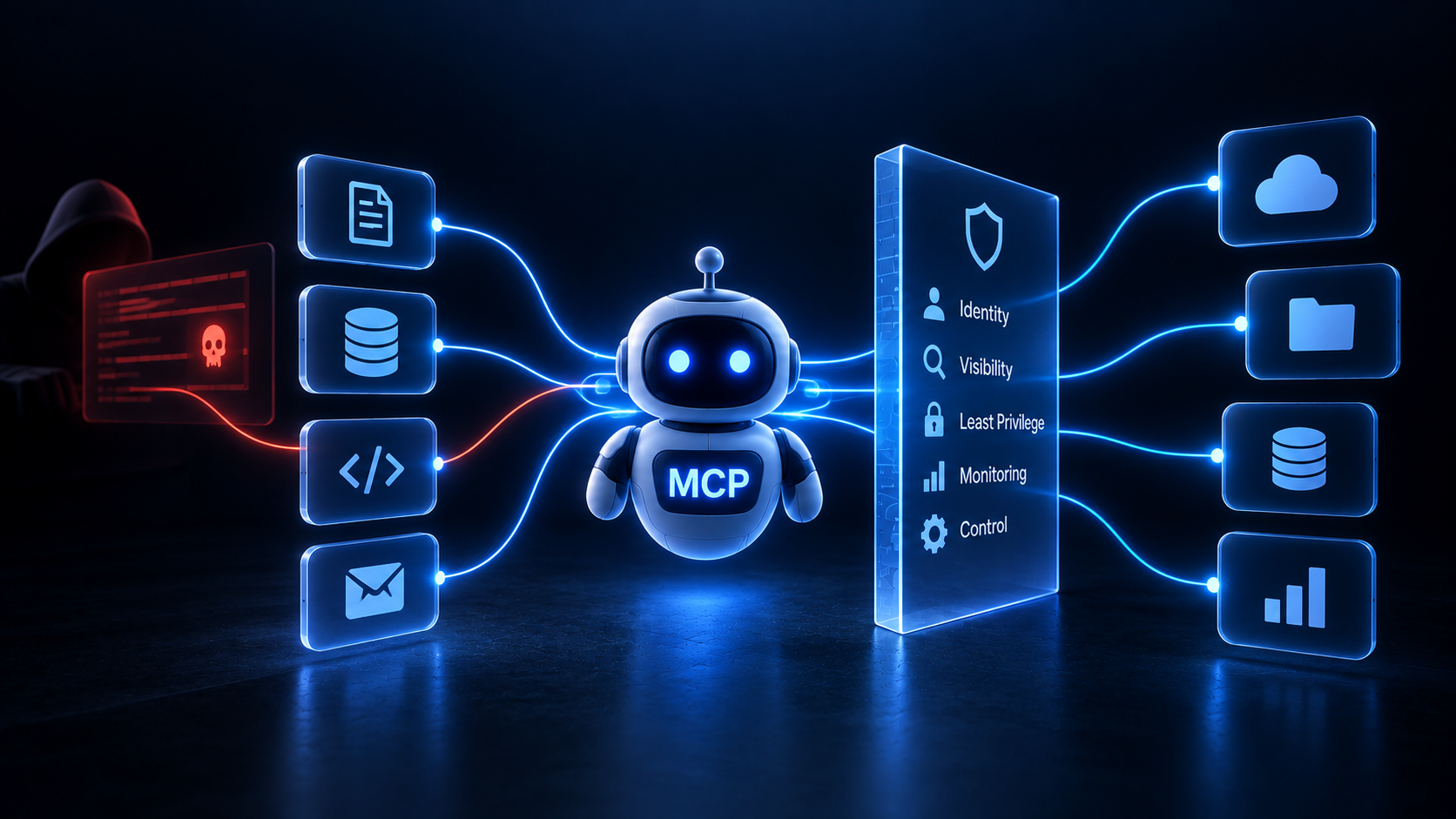
As autonomous AI agents gain access to multi-application environments, an agent compromised via prompt injection or unvalidated external inputs can be manipulated into abusing its existing OAuth tokens—reading sensitive records from one platform and exfiltrating them through an approved communication integration.
The OAuth supply chain is the soft underbelly of cloud security. You can enforce strict zero-trust principles at your login screen, but if third-party integrations hold unmonitored, persistent tokens to your backend APIs, your perimeter remains wide open without identity-first AI security.
Best Practices for Securing the OAuth Supply Chain
Security organizations must establish automated, continuous controls to govern third-party integrations and non-human identities:
1. Automated Discovery of All Integrations
Eliminate reliance on manual vendor spreadsheets. Implement continuous monitoring via SaaS identity security that automatically catalogs every third-party application, AI tool, and browser extension that holds OAuth permissions across your cloud footprint.
2. Scope Normalization and Least Privilege
Regularly inspect granted OAuth scopes. Identify applications that hold broad write or administrative access when read-only access is sufficient. Restrict permissions to the minimum necessary scope required for legitimate business operations.
3. Inactive Token Decommissioning
Establish automated policies to revoke OAuth tokens that have remained dormant for 30, 60, or 90 days. Dormant tokens provide zero ongoing business value while maintaining persistent exposure for attackers.
4. Unified Offboarding Synchronization
Ensure that employee termination workflows encompass all associated OAuth grants. When an employee departs, automated identity governance must revoke all third-party integrations authorized by that user, closing potential backdoors before they can be exploited under formal AI governance policies.
Frequently Asked Questions
Does revoking a user's corporate account automatically delete their OAuth integrations?
Not always. Depending on how the cloud application is configured, tokens granted by an individual user may persist as tenant-level service connections or continue operating until explicitly revoked via the application's administrative console.
How do AI agents complicate OAuth risk compared to traditional integrations?
Traditional integrations typically perform predictable, scheduled synchronization tasks between two specific systems. Autonomous AI agents execute dynamic, multi-step actions across dozens of tools based on natural language instructions, making abnormal data exfiltration significantly harder to detect with static rules.
Can Cloud Access Security Brokers (CASBs) prevent OAuth supply chain attacks?
Traditional network-based CASBs monitor traffic passing through corporate proxies. Because OAuth API transactions take place directly between cloud providers without touching the corporate network, traditional CASBs have zero visibility into these machine-to-machine interactions.
Conclusion: Reclaiming Control Over Cloud Trust
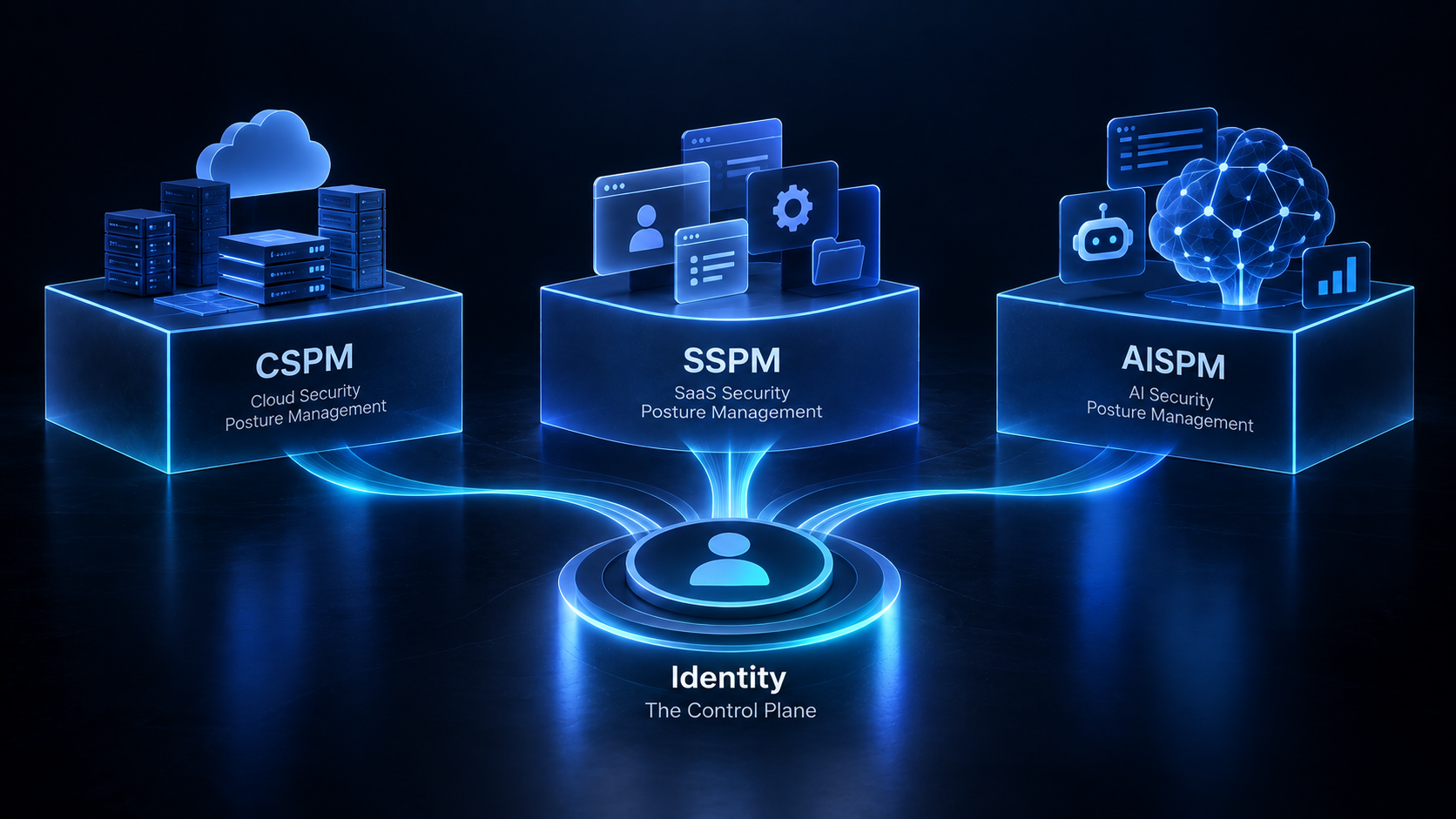
The enterprise ecosystem thrives on connectivity and automation, but unmanaged trust bridges represent an untenable risk. By extending identity governance to encompass the entire OAuth supply chain, security leaders can protect critical data, prevent third-party lateral movement, and safely harness the transformative power of agentic AI.
Gain complete visibility into your cloud integrations: request a Free SaaS Identity and OAuth Risk Audit to uncover risky third-party tokens and secure your enterprise supply chain today.