Sep 15, 2026
MCP Security & AI Agent Identity Governance: Architecture, Risks, and Controls


Master MCP security: understand Model Context Protocol risks, non-human identity governance, prompt injection vectors, and enterprise controls.

Grip Security

Sep 15, 2026
Master MCP security: understand Model Context Protocol risks, non-human identity governance, prompt injection vectors, and enterprise controls.
The Model Context Protocol (MCP) has rapidly emerged as the open standard enabling Large Language Models (LLMs) and autonomous AI agents to interact directly with external enterprise data sources, developer tools, and SaaS business systems. However, by transforming passive language models into active execution engines capable of reading and modifying data across enterprise tools, MCP fundamentally reshapes the enterprise attack surface.
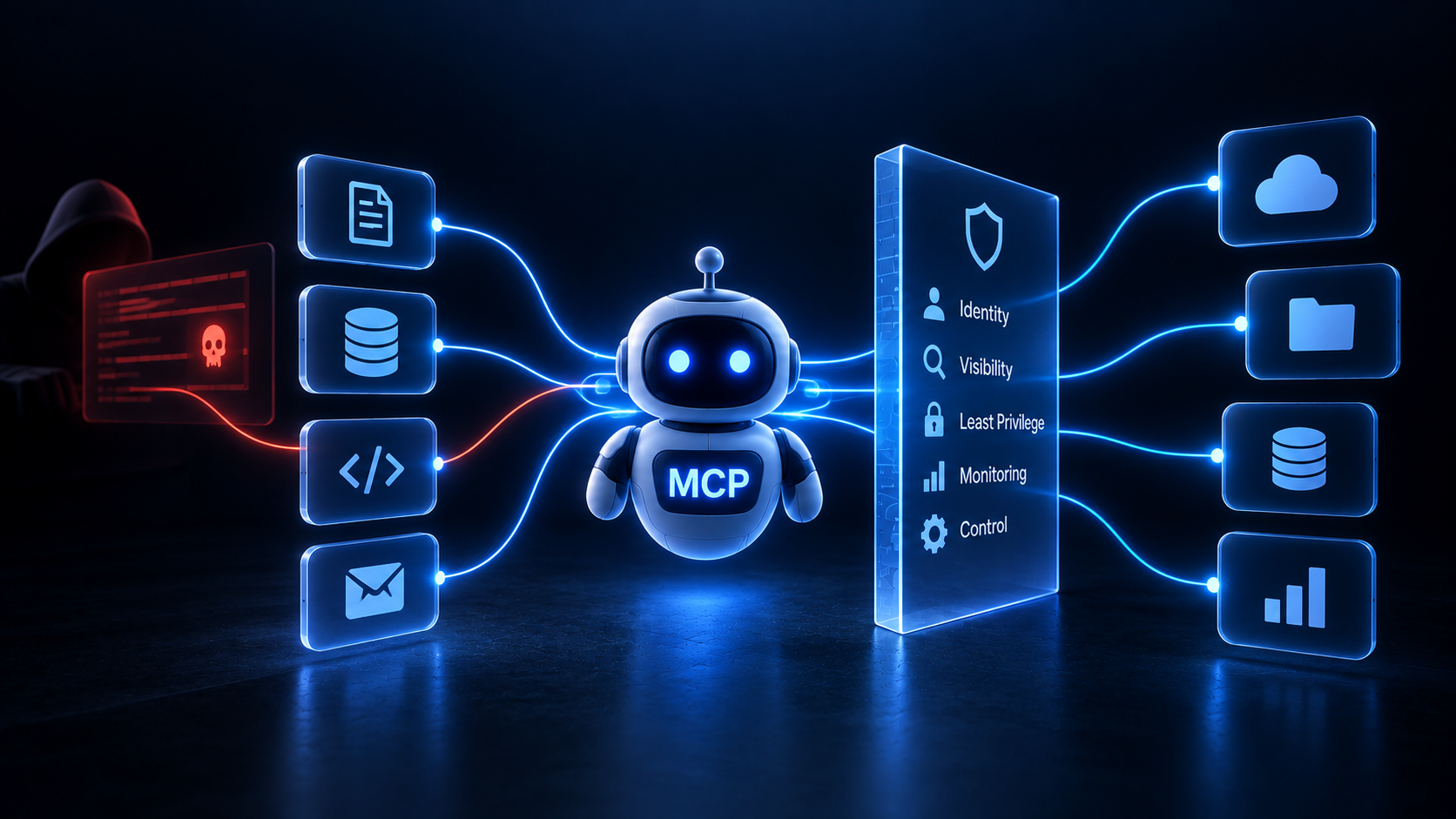
Every MCP server connection functions as an autonomous, high-privilege non-human identity (NHI). Without rigorous identity governance, MCP integrations create critical security risks—including remote prompt injection, tool poisoning, over-privileged OAuth scopes, and unmonitored shadow AI data exfiltration. Securing MCP deployments requires establishing an identity-first control plane that continuously discovers agent connections, enforces least-privilege tool execution, and manages machine credential lifecycles.
Traditional enterprise generative AI implementations operated primarily as conversational interfaces: employees pasted text into a web interface, and the model returned an answer. MCP shifts this paradigm from isolated text generation to agentic orchestration.
Through MCP client‑server architecture, an AI client (such as Claude Desktop, cursor, or custom autonomous agents) connects to local or remote MCP servers. These servers expose three primary capabilities:
• Prompts: Pre‑structured templates and workflows provided to the model.
• Resources: Direct, contextual access to enterprise data stores, file systems, code repositories, and SaaS APIs.
• Tools: Executable functions that the model can invoke autonomously, including executing terminal commands, creating database records, sending emails, or triggering software deploys.
Deploying MCP servers within an enterprise network introduces several distinct threat vectors that traditional network firewalls and endpoint controls cannot mitigate:
Because MCP allows LLMs to select and trigger tools based on natural language reasoning, an agent can be manipulated into executing dangerous functions. If an MCP server exposes command execution or raw SQL query capabilities without granular parameter validation, a compromised or hallucinating model can execute destructive changes across production environments.
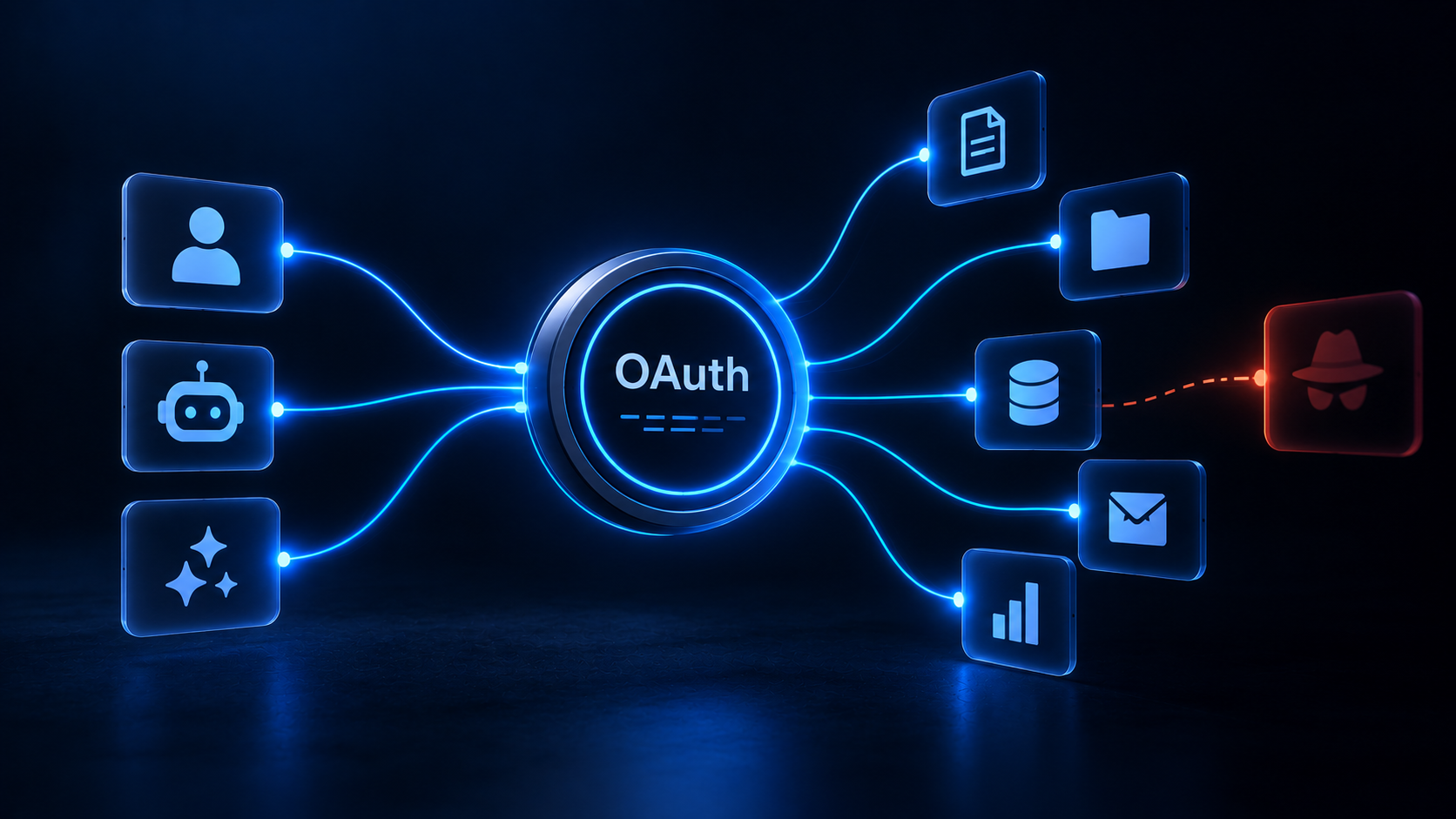
To connect an MCP server to SaaS platforms (such as GitHub, Slack, Jira, or Google Drive), administrators or individual users grant OAuth tokens. Because granular permission models are often difficult to configure, users frequently authorize broad read/write scopes. These long‑lived tokens operate as unmanaged non-human identities, bypassing standard corporate access reviews and MFA enforcement.
When an MCP‑enabled agent reads untrusted data from an external repository or third‑party web page, malicious instructions hidden in the data can hijack the agent's context window. The agent then executes unauthorized tool actions—such as committing malicious code to GitHub or updating user permissions—under the guise of routine automation.
Developers and engineering teams are rapidly spinning up local MCP servers on endpoints to accelerate workflow efficiency. Because these connections occur directly between local clients and remote cloud APIs, standard network firewalls and CASBs fail to detect them, creating massive Shadow AI blind spots.
Securing MCP environments requires an identity‑centric architecture that treats autonomous agents as first‑class identities requiring lifecycle governance:
1. Continuous Discovery & Line‑of‑Sight: Detect every MCP client instance, server connection, and connected third‑party integration across the entire workforce.
2. Least‑Privilege Scoping: Restrict agent OAuth permissions to specific read‑only scopes where possible, eliminating blanket administrative rights.
3. Contextual Execution Guardrails: Implement verification steps before autonomous agents execute sensitive or destructive tool actions.
4. Automated Credential Rotation: Maintain strict token expiration windows and enforce automated revocation for inactive or orphaned agent credentials.
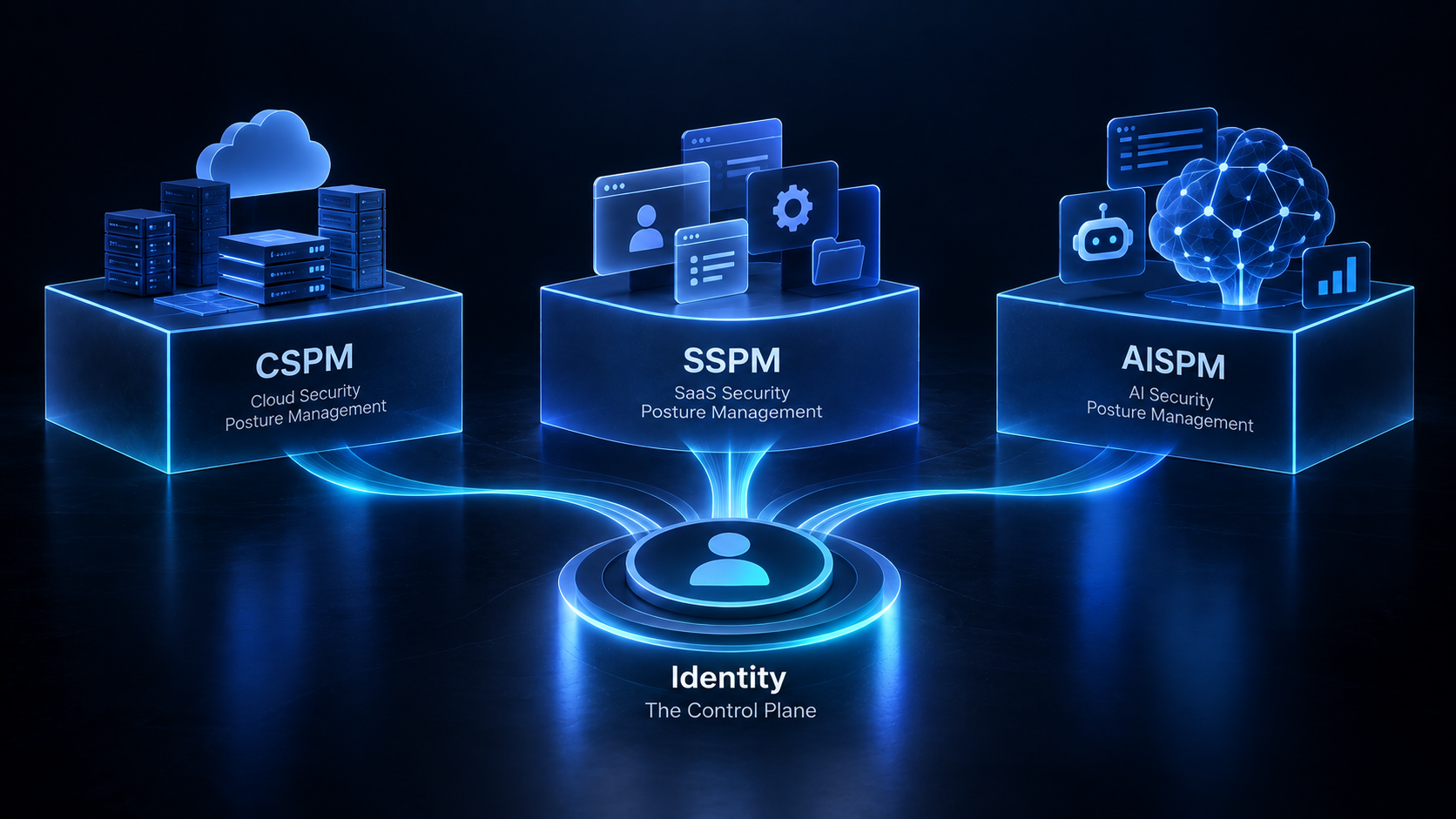
Grip Security provides an AI & SaaS Security Control Plane designed to deliver continuous visibility and control across human and non‑human identities.
With Grip, security leaders can automatically discover unmanaged MCP servers, identify over‑privileged OAuth tokens, and track real‑time access paths between AI agents and enterprise SaaS applications.
By unifying identity governance across shadow AI and sanctioned SaaS environments, Grip ensures enterprises can safely accelerate autonomous AI adoption while eliminating supply chain compromise.
Model Context Protocol (MCP) is an open standard that allows Large Language Models and AI agents to securely connect to external data repositories, tools, and business applications.
The main security risks include indirect prompt injection, excessive OAuth permissions, tool execution vulnerabilities, and the proliferation of unmanaged non‑human identities.
Enterprises should enforce least‑privilege access, use short‑lived scoped tokens instead of static API keys, and monitor token usage continuously through an identity security control plane.
No. Traditional CASBs monitor user web traffic and cannot inspect semantic agentic reasoning, internal tool‑calling protocols, or non‑human identity token sprawl.

Fill out the form and watch webinar's video.