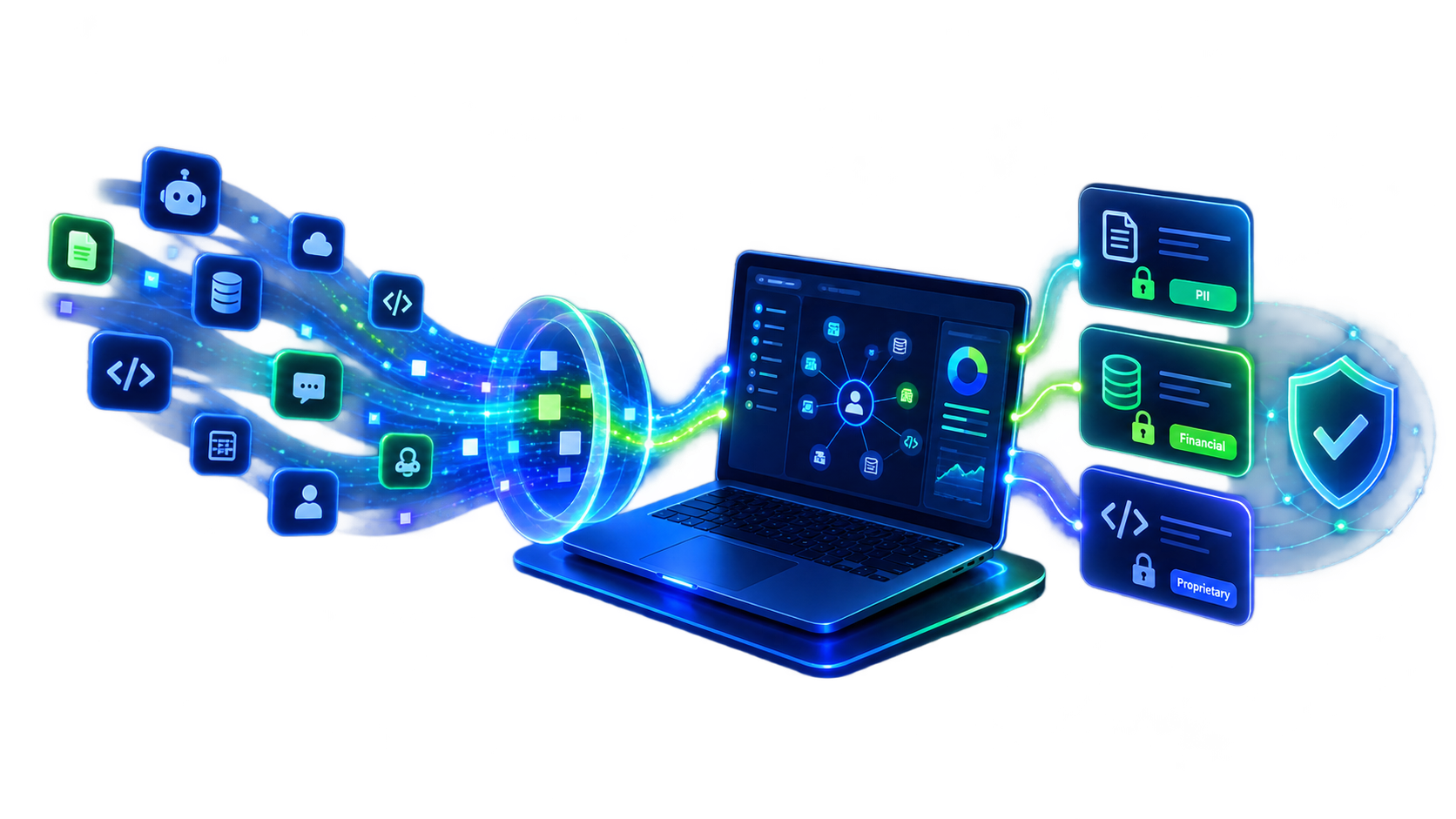
Understand where employees and AI systems interact with sensitive information, then apply controls based on risk, context, and policy.
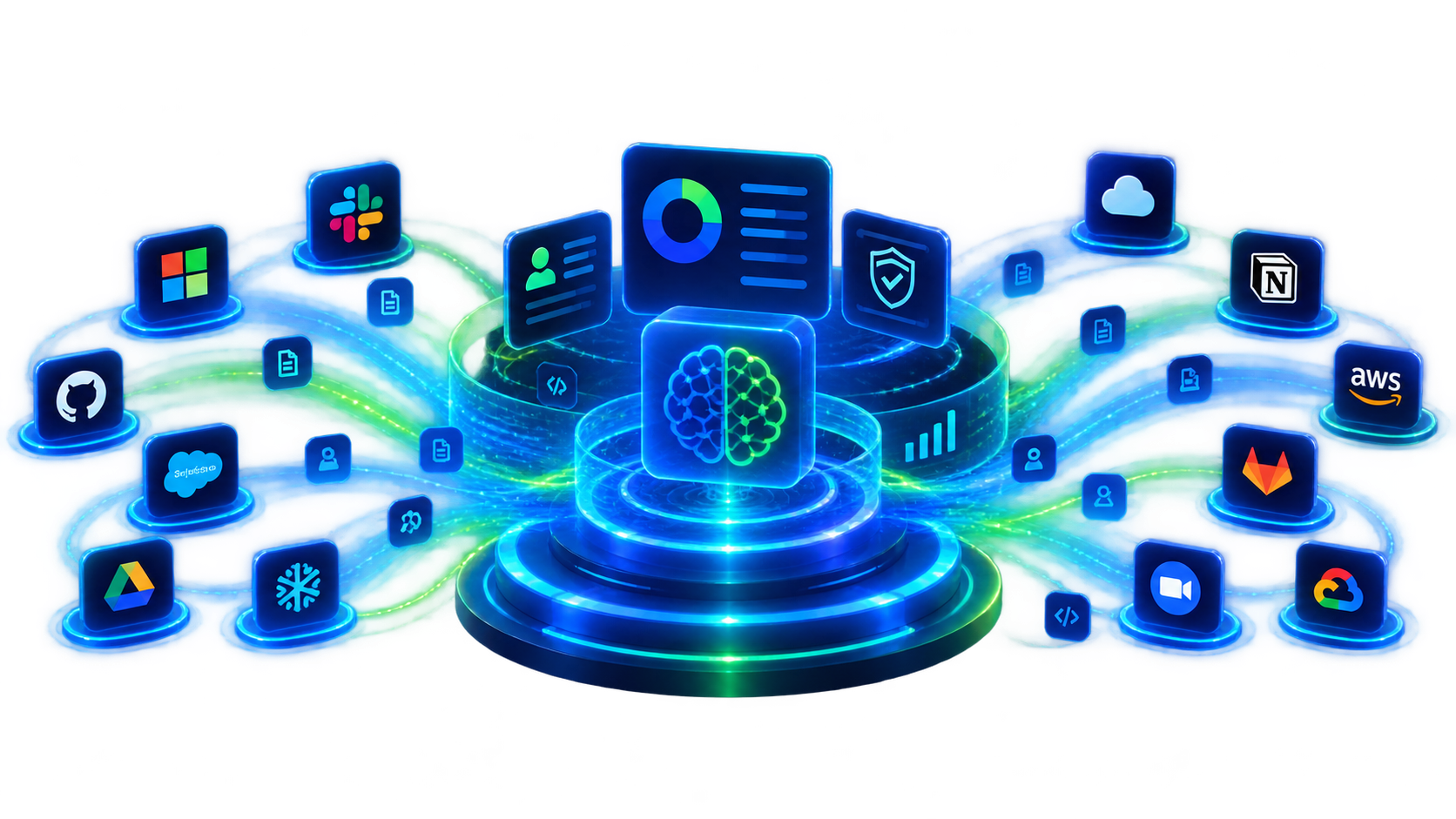
Security teams need visibility into which AI applications, accounts, agents, and integrations are interacting with sensitive enterprise data.
They also need context around identities, permissions, usage, and business purpose so controls can be applied based on actual risk rather than blocking AI broadly.
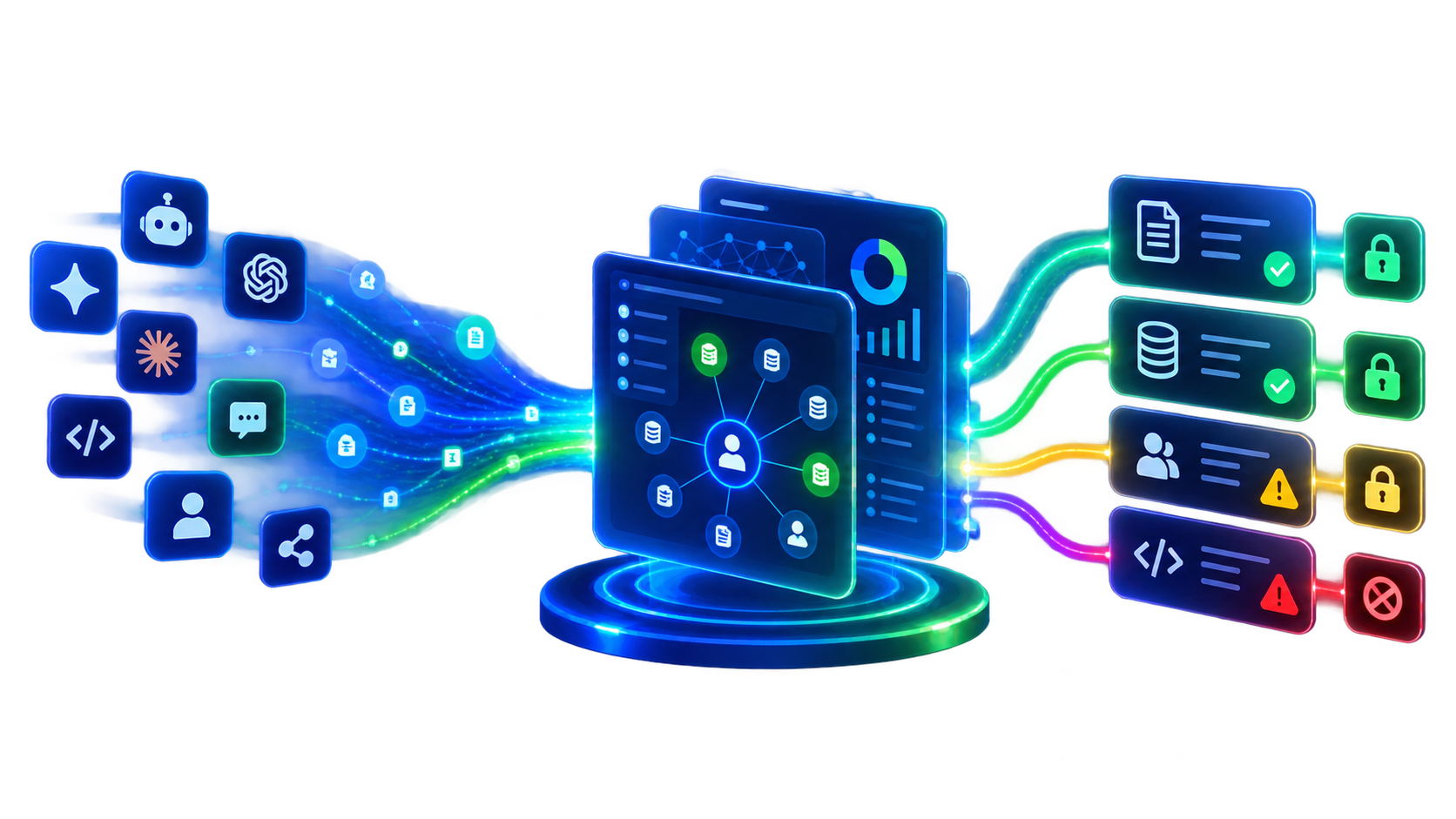

Sensitive data can reach AI when employees enter information directly into AI tools, upload files, connect SaaS applications, or authorize integrations. AI agents may also access data through the permissions and systems connected to them. These exposure paths can exist even when the underlying AI application is approved.
Personal accounts can allow employees to use enterprise data outside centrally managed identities and policies. Security teams may have limited visibility into how those accounts are used, what data is submitted, or whether information is retained. Identifying personal AI usage helps organizations apply appropriate governance before sensitive information is exposed.
Traditional DLP can help protect sensitive information, but AI introduces additional context around identities, applications, agents, permissions, and integrations. Data may also be accessed indirectly through connected SaaS systems rather than manually entered by a user. AI security therefore benefits from combining data controls with broader visibility into how AI is being used and what it can access.
Teams should consider the type of data the application may receive, who is using it, which identities and accounts are involved, and what applications or integrations it can access. They should also review permissions, business purpose, and organizational policy. This context helps determine whether the AI service presents an acceptable level of risk.
Grip provides visibility into AI applications, personal and corporate accounts, agents, identities, integrations, and permissions across the enterprise. This context helps security teams identify where sensitive data may be exposed and which usage patterns require attention. Teams can then govern AI use based on actual risk and take action where exposure exceeds policy.