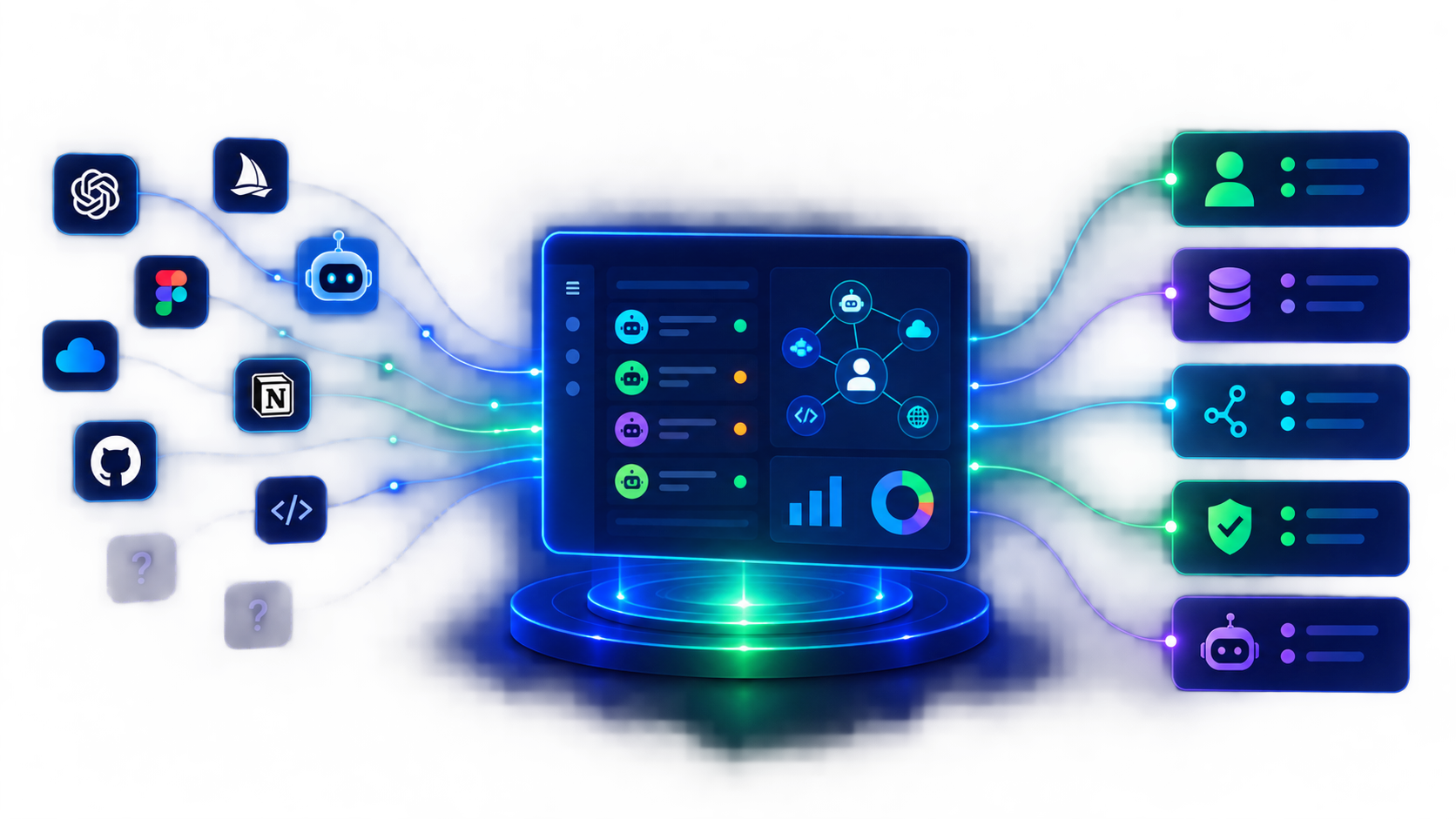
Gain visibility into the AI your workforce is already using, understand its access and risk, and apply the governance needed to keep adoption secure.

Security teams need continuous visibility and control across enterprise AI. That means discovering AI applications, agents, extensions, and embedded capabilities, then connecting them to the identities, permissions, integrations, and data they can access.
With that context, teams can assess risk, monitor change, and approve, restrict, or remediate AI use based on policy.
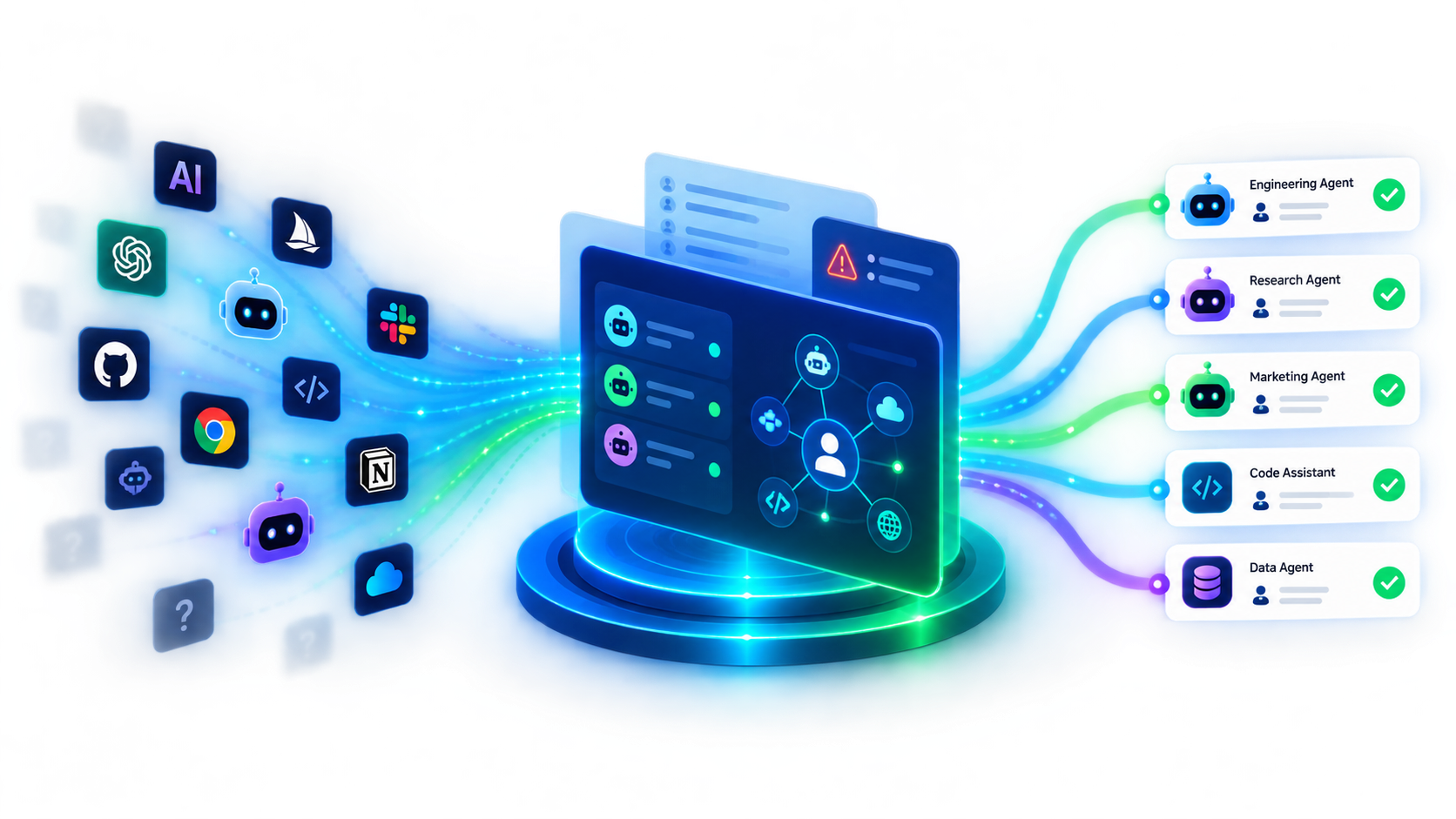


Shadow AI refers to AI applications, features, agents, or accounts used without formal approval or security oversight. This can include standalone AI tools, embedded AI in SaaS applications, browser extensions, and personal accounts. Because adoption often happens directly at the employee level, security teams may not know where AI is already present.
Shadow AI can introduce sensitive data exposure, unmanaged identities, risky integrations, and unreviewed permissions. Employees may use tools that fall outside normal procurement, IAM, or security processes, making those risks harder to detect. The issue is not simply whether AI is approved, but what it can access and how it is being used.
Organizations need continuous discovery across applications, accounts, browser activity, embedded AI features, agents, and integrations. Periodic surveys or approved application lists rarely capture the full picture because AI adoption changes quickly. Continuous visibility helps security teams identify new usage as it appears.
Security teams should evaluate AI use based on identity, business purpose, data access, permissions, and overall risk rather than applying blanket restrictions. Lower-risk tools may be approved or monitored, while higher-risk usage can be restricted or remediated. This allows organizations to support productive AI adoption while maintaining security policy.