Sep 22, 2026
Securing Autonomous AI Agents in Enterprise SaaS


A practitioner playbook for governing autonomous AI agents in SaaS: mapping machine identities, managing OAuth scopes, and enforcing real-time ITDR.

Grip Security

Sep 22, 2026
A practitioner playbook for governing autonomous AI agents in SaaS: mapping machine identities, managing OAuth scopes, and enforcing real-time ITDR.
Enterprise software has transitioned from passive cloud repositories into dynamic, autonomous environments. Generative AI is no longer confined to isolated chatbot interfaces; it is increasingly deployed as autonomous AI agents capable of executing complex multi-step workflows, querying databases, updating records in Salesforce, committing code to GitHub, and sending emails via corporate workspaces. These autonomous systems operate with machine-level speed and human-level data access.
However, traditional cybersecurity frameworks were designed under the assumption that every digital action maps to a human sitting behind a browser. In an agentic enterprise, non-human identities (NHIs) are proliferating exponentially, creating persistent, ungoverned attack surfaces across enterprise SaaS estates. Securing autonomous AI agents requires moving beyond static acceptable-use policies to establish continuous identity governance, dynamic OAuth privilege controls, and real-time behavioral threat detection across the entire SaaS application layer.
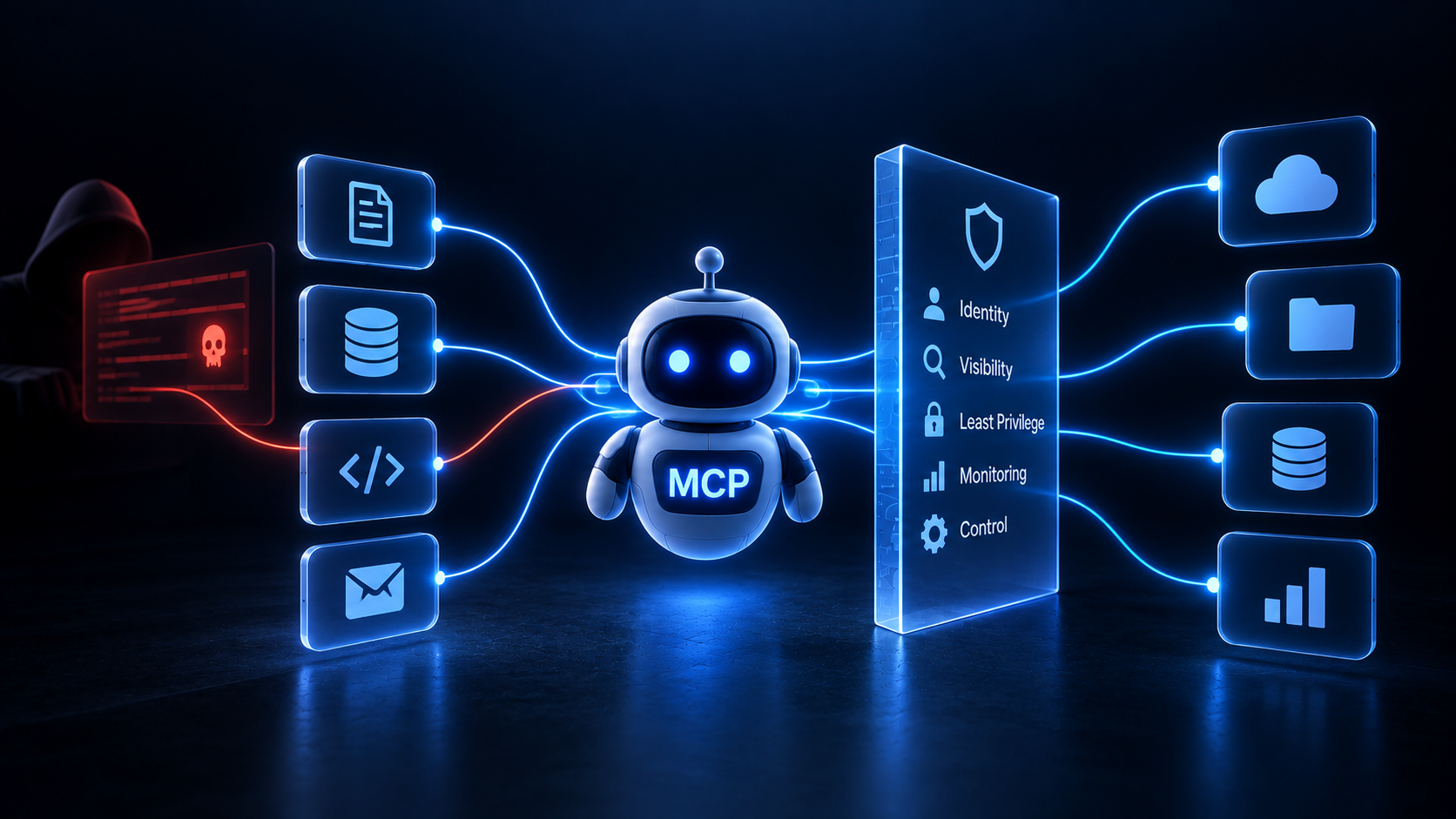
• The Non-Human Identity Explosion: Autonomous AI agents act as persistent machine identities operating with delegated human authorizations, bypassing traditional endpoint and MFA defenses.
• The OAuth Scope Blind Spot: Employees routinely authorize third-party AI agents with expansive read/write permissions, creating shadow integrations that persist indefinitely without IT oversight.
• The Agency Hijacking Vector: Malicious actors exploit indirect prompt injection to manipulate autonomous agents into exfiltrating corporate data or executing unauthorized SaaS commands.
• The Identity-First Solution: Continuous discovery, dynamic ownership mapping, and SaaS ITDR are required to govern AI agents without stifling operational innovation.
Unlike standard SaaS integrations that perform static data synchronization, autonomous agents possess three capabilities that fundamentally alter organizational risk:
Agents independently plan and execute sequences of tasks across multiple disparate software platforms. An agent tasked with "organizing quarterly sales reports" might query HubSpot, synthesize customer data, create a spreadsheet in Google Drive, and distribute it via a public Slack channel - all without human intervention.
To function continuously in the background, autonomous agents require persistent authorization tokens. These tokens do not expire at the end of a browser session and operate outside the scope of Single Sign-On (SSO) session timeouts, maintaining persistent backdoors into sensitive enterprise applications.
When an autonomous agent processes untrusted external data (such as emails, support tickets, or web pages), embedded adversarial prompts can hijack the agent's logic. Once compromised, the agent executes unauthorized actions using its legitimate SaaS permissions, turning trusted enterprise software against the organization.
Securing autonomous AI agents across your SaaS stack? See how Grip's identity-first control plane discovers agentic integrations, maps non-human access, and prevents token abuse. Book a Demo →
Without centralized governance, enterprise adoption of autonomous agents introduces four systemic attack vectors:
Individual business units and employees frequently connect autonomous agents to corporate tools without security review. These shadow connections expose proprietary corporate data to unvetted external AI vendors, violating compliance mandates such as SOC 2, HIPAA, and GDPR.
Most AI agents request broad permissions (such as read/write all files or manage mailbox) because granular scopes are technically complex to configure. These excessive entitlements grant agents far more privilege than required for their specific business tasks.
When an employee departs an organization, their user account is disabled. However, the OAuth tokens and API keys they generated for third-party AI agents often remain active inside enterprise SaaS tools, creating orphaned non-human identities with active access to sensitive data.
As organizations deploy interconnected agent ecosystems, agents interact directly via APIs and protocols like the Model Context Protocol (MCP). A compromise in one peripheral agent can cascade into core enterprise systems via trusted agent-to-agent communication channels.
Security leaders must establish operational control over agentic software without impeding enterprise productivity. Implement this four-stage governance framework:
• Step 1: Continuous Discovery & Inventory: Establish 100% automated visibility into every AI tool, plugin, and autonomous agent accessed across the enterprise. According to Grip's Rule of 17 AI Agent Security Benchmark, enterprises average one autonomous agent for every 17 human identities, making continuous automated discovery essential.
• Step 2: Human-to-Agent Ownership Mapping: Every autonomous agent must be explicitly tied to an accountable business owner, a specific operational purpose, and a documented data classification tier. Eliminate orphaned service accounts and shadow tokens.
• Step 3: Dynamic Scope Auditing & Token Revocation: Continuously monitor the OAuth supply chain. Flag over-privileged scopes, restrict persistent background refresh tokens, and enforce automated offboarding workflows that sever machine tokens immediately upon employee departure.
• Step 4: Behavioral SaaS Threat Detection (ITDR): Implement Identity Threat Detection and Response tuned for machine behavior. Detect anomalous data exfiltration volumes, impossible cross-application execution speeds, and unauthorized privilege escalation in real time.
Traditional integrations follow deterministic, pre-configured logic (e.g., syncing contacts between two platforms). Autonomous AI agents use large language models to reason, plan multi-step actions dynamically, and interact across software systems based on high-level human goals.
Autonomous AI agents operate in the cloud via direct API calls and OAuth permissions. Because traffic flows cloud-to-cloud between the AI provider and the enterprise SaaS vendor, it never traverses corporate firewalls, VPNs, or network proxy gateways.
The primary vector is indirect prompt injection. Attackers place adversarial instructions inside data sources the agent reads (such as customer emails, shared documents, or web pages). When the agent processes the data, it executes the embedded instructions as legitimate commands.
Grip's enterprise research identified the Rule of 17: for every 17 human identities in an organization, there is at least one active autonomous AI agent operating inside the SaaS stack. This creates massive non-human identity sprawl that requires automated identity-first governance.
Yes. By governing the identity and OAuth layer rather than implementing blanket network blocks, security teams can allow employees to leverage powerful AI productivity tools while enforcing guardrails around sensitive data access and permissions.
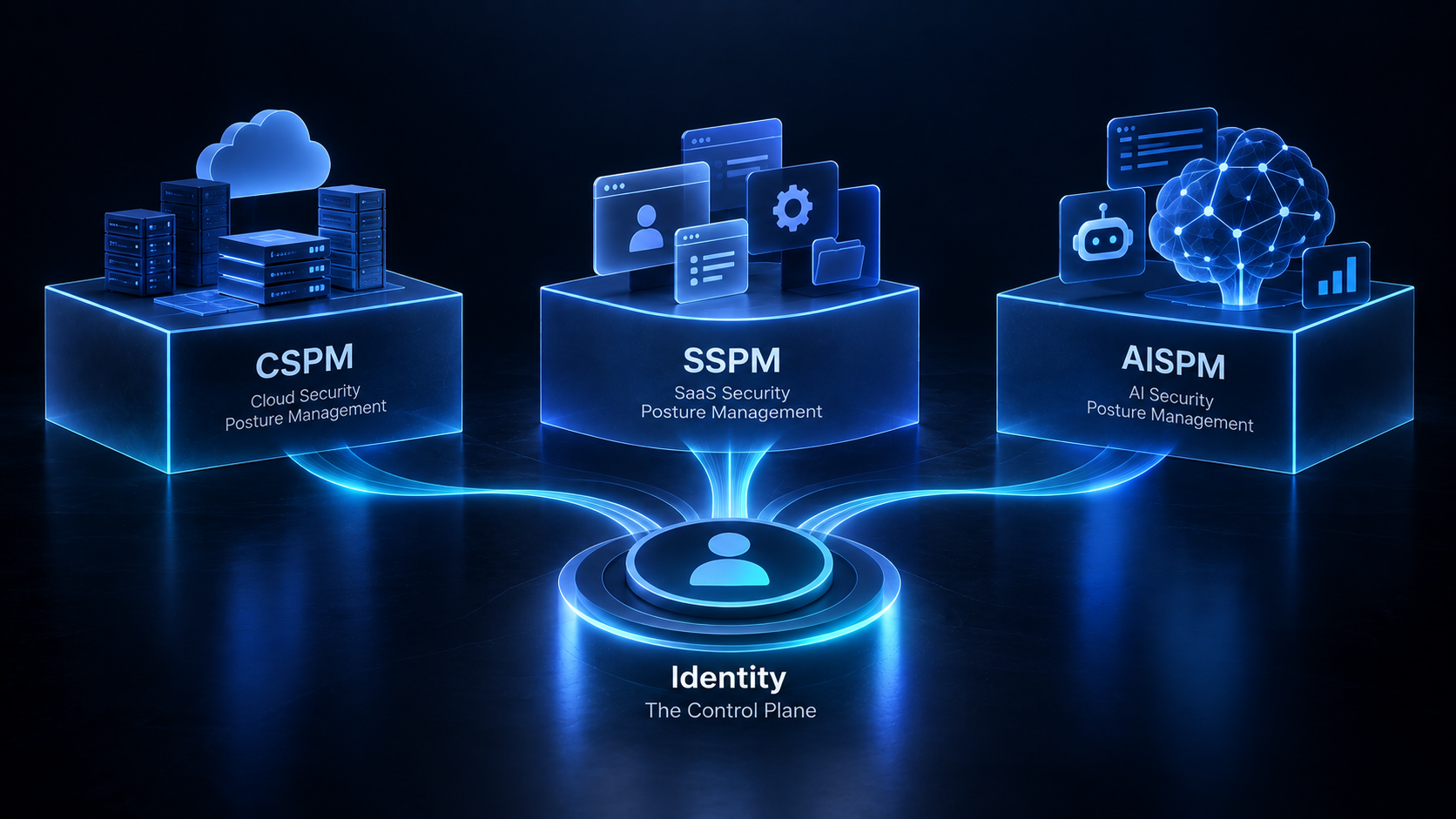
Don't let autonomous agents create ungoverned backdoors into your corporate software. Discover how Grip's AI Security and identity-first control plane automate SaaS posture management and non-human identity governance across your entire organization. Book a Demo today.