Sep 23, 2026
Best AI Security Platforms for 2026


Discover the leading enterprise AI security platforms in 2026, comparing shadow AI discovery, autonomous agent governance, and identity control.

Grip Security

Sep 23, 2026
Discover the leading enterprise AI security platforms in 2026, comparing shadow AI discovery, autonomous agent governance, and identity control.
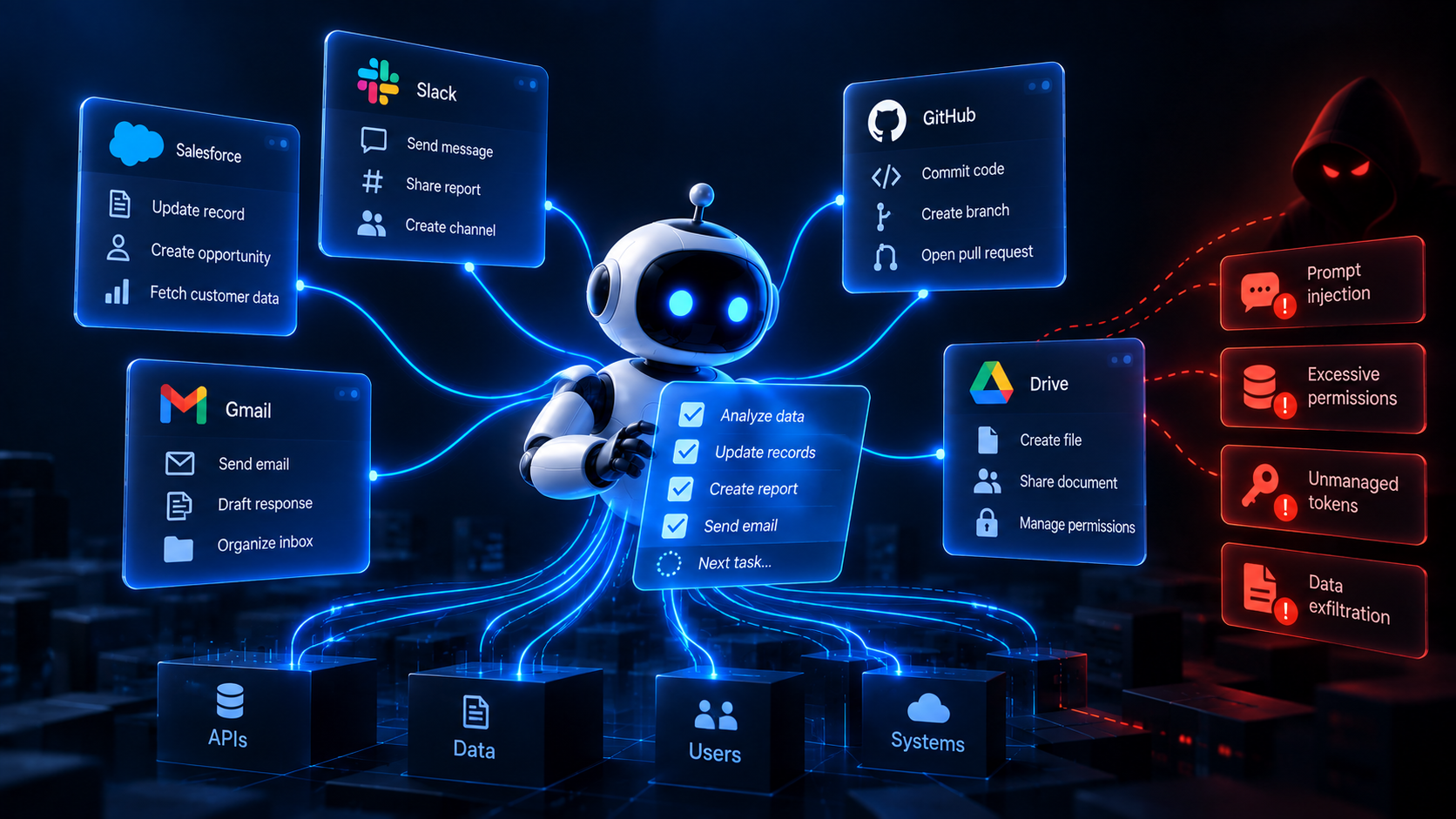
The rapid proliferation of generative AI tools, foundation model APIs, and autonomous AI agents has permanently altered enterprise risk. In 2026, security leaders are tasked with governing hundreds of unsanctioned AI applications alongside sanctioned enterprise assistants, while securing the complex non-human identities (NHIs) that grant autonomous agents access to corporate data stores.
Evaluating AI security platforms requires looking beyond model-level defenses or static prompt filters. Comprehensive enterprise protection demands full discovery of shadow AI adoption, deep visibility into the OAuth supply chain, and continuous identity governance. This guide analyzes the leading AI security platforms in 2026 across their core architectural strengths, target use cases, and deployment models.
• The Shift to Identity-First AI Security: Emerging AI risks stem primarily from agentic access, persistent tokens, and shadow adoption rather than vulnerabilities in foundation models themselves.
• The Autonomous Agent Governance Mandate: As organizations adopt multi-agent workflows, managing non-human machine identities and delegated permissions is paramount.
• Shadow AI Discovery Without Friction: Over 90% of employee AI interactions occur outside central IT oversight, requiring zero-connector discovery at the authentication layer.
• Automated Policy Enforcement: Leading platforms combine automated policy enforcement with user-in-the-loop workflows to guide safe AI adoption without stifling business innovation.
When selecting an enterprise AI security platform, security architects and CISOs must evaluate capabilities across four non-negotiable functional tiers:
• Universal Shadow AI Discovery: Real-time discovery of all web-based AI tools, browser extensions, and standalone LLM interfaces without relying on manual API configurations.
• Autonomous AI Agent & NHI Governance: Comprehensive tracking of machine identities, OAuth integrations, and programmatic tokens granted to autonomous agents.
• Data Security & Model Guardrails: Context-aware inspection to prevent sensitive enterprise data (PII, IP, source code) from being ingested by external model training pipelines.
• Continuous ITDR Integration: Active telemetry to identify abnormal token usage, API credential abuse, and compromised session activity linked to AI systems.
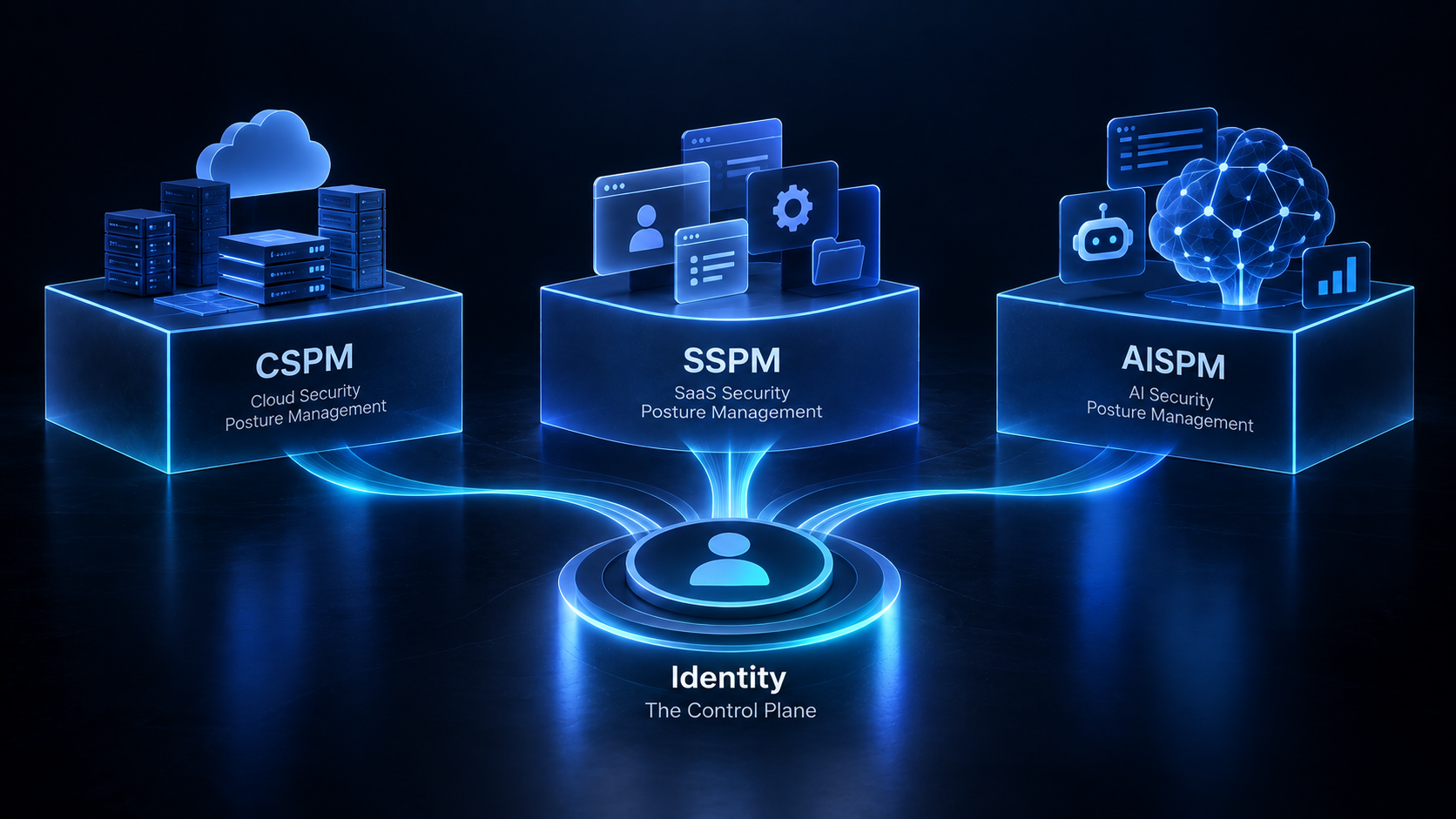
Looking to secure enterprise AI adoption? Discover how Grip's SaaS Security Control Plane provides 100% shadow AI discovery, autonomous agent governance, and automated access control.
Grip Security establishes identity as the primary control plane for enterprise AI security. Operating without cumbersome inline network proxies or individual API connectors, Grip discovers 100% of employee-adopted AI tools, standalone models, and browser extensions the moment users authenticate.
Core Capabilities: Zero-touch discovery of shadow AI tools; complete lifecycle governance for AI agents and non-human identities (NHIs); automated OAuth token revocation; user-in-the-loop remediation to steer employees toward sanctioned alternatives.
Best For: CISOs and SecOps teams demanding full visibility into enterprise shadow AI, continuous agent token governance, and automated identity-first control.
Learn more about implementing an identity-centric strategy for enterprise AI security and mitigating shadow AI risks.
Cloudflare leverages its global edge network to provide inline network inspection, zero-trust browsing, and API shielding for enterprise AI traffic.
Core Capabilities: Inline prompt inspection, egress filtering for data loss prevention (DLP), and API rate limiting for public model endpoints.
Best For: Organizations prioritizing network-level gateway controls and edge traffic filtering for managed employee devices.
Palo Alto Networks addresses AI adoption through its Prisma Access and Next-Generation CASB architecture, analyzing network payloads and application signatures.
Core Capabilities: URL categorization for AI services, inline sensitive data blocking, and policy enforcement across corporate network perimeters.
Best For: Enterprises heavily standardized on Palo Alto firewalls seeking perimeter-based policy controls for sanctioned networks.
Microsoft integrates AI governance into its broader Defender security suite and Entra ID ecosystem, focusing on telemetry within Microsoft 365 Copilot and connected enterprise apps.
Core Capabilities: Native visibility into Microsoft Copilot interactions, risk scoring for third-party AI apps, and integration with Microsoft Purview for data labeling.
Best For: Organizations operating almost exclusively within the Microsoft enterprise stack and Entra ID identity boundary.
Lakera specializes in model-level defense, focusing on safeguarding custom LLM applications and foundation model deployments from runtime vulnerabilities.
Core Capabilities: Prompt injection defense, jailbreak detection, and automated vulnerability testing for developer-built AI applications.
Best For: Software development and ML engineering teams building internal generative AI applications requiring runtime API guardrails.
The table below compares how leading AI security architectural models address core enterprise threat vectors:
| Platform Dimension | Grip Security (Identity & AI Control Plane) | Traditional / Infrastructure AI Security |
|---|---|---|
| Shadow AI Visibility | 100% discovery across web, browser extensions, and standalone accounts | Limited to categorized network URLs or API-connected platforms |
| Autonomous Agent Governance | Tracks machine identities, OAuth scopes, and autonomous agent tokens | Focuses on human network traffic or static API keys |
| Deployment Architecture | Identity-level integration; zero network agents or inline proxies | Requires network agents, PAC files, or custom API wrappers |
| Remediation Workflows | Automated OAuth revocation, credential rotation, and user nudges | Passive alerts, policy violation logs, or manual ticket generation |
| Supply Chain Security | Continuous monitoring of the OAuth supply chain and app-to-app grants | Isolated domain reputation and signature scoring |
Selecting an AI security architecture depends on your primary operational focus:
• For Enterprise-Wide AI Adoption & Shadow Discovery: Choose an identity-first control plane like Grip Security to uncover unmanaged AI tools, govern non-human machine tokens, and automate employee guardrails without network overhead.
• For Edge & Perimeter DLP: Implement Secure Web Gateway (SWG) solutions if your mandate is strictly focused on network traffic inspection for corporate-managed laptops.
• For Custom In-House LLM Development: Pair identity governance with model-layer runtime firewalls to protect proprietary model APIs from prompt injection attacks.
AI Security protects AI systems, tokens, and data from compromise, unauthorized access, and threat actors. AI Governance establishes operational policies, compliance standards, and risk assessments to manage legal, ethical, and organizational AI usage.
Network proxies only inspect traffic passing through corporate networks or managed devices. They cannot govern cloud-to-cloud OAuth connections, mobile authentication, or remote unmanaged access, leaving significant coverage gaps.
AI agents utilize programmatic API keys and OAuth tokens to perform actions across SaaS applications on behalf of users. If these tokens are over-permissioned or unmonitored, attackers can compromise them to move laterally without triggering human authentication challenges.
By observing identity and authentication events rather than blocking network domains, security teams can uncover AI adoption instantly, assess app risk, and engage employees via automated nudges to redirect them to approved tools.
Identity Threat Detection and Response (ITDR) continuously monitors user and machine identities for compromised credentials, anomalous access patterns, and privilege escalation across connected AI tools.
To establish continuous governance over enterprise AI adoption and secure non-human agent identities, explore how Grip's AI security and SaaS control plane delivers complete visibility and automated control.