Oct 12, 2026
Non-Human Identity Lifecycle Management: Securing Machine & Agent Access


Discover, govern, and decommission machine credentials, service accounts, and autonomous AI agents across modern SaaS environments.

Oct 12, 2026
Discover, govern, and decommission machine credentials, service accounts, and autonomous AI agents across modern SaaS environments.
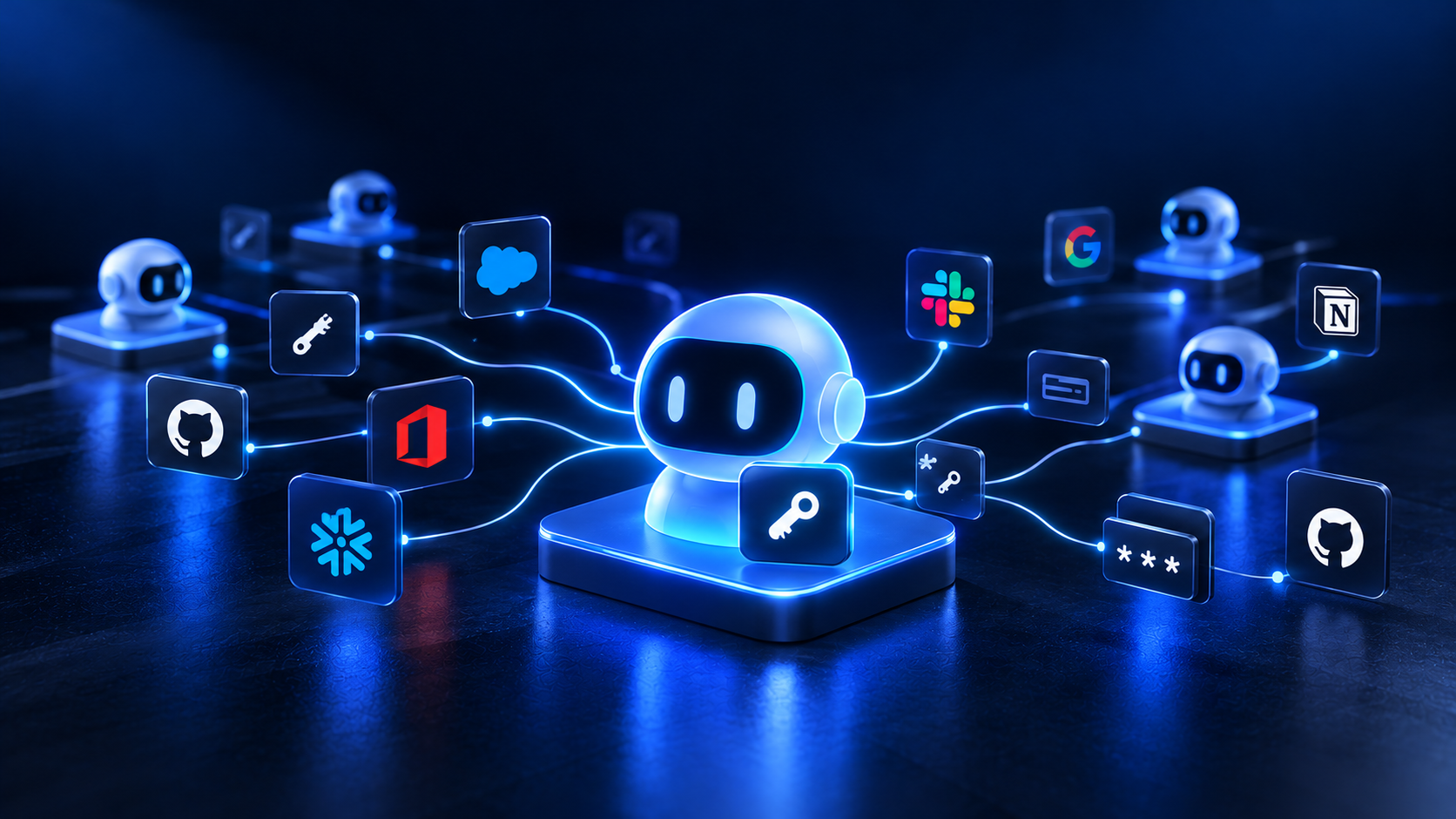
In modern enterprise environments, non-human identities (NHIs)—including service accounts, API keys, OAuth tokens, and autonomous AI agents—outnumber human employees by more than 10 to 1. Traditional Identity and Access Management (IAM) systems were architected exclusively around human employees: onboarding, role-based access, MFA enforcement, and scheduled offboarding. NHIs bypass nearly all of these controls.
Without systematic non-human identity lifecycle management, machine credentials become permanent, ungoverned backdoors into core enterprise SaaS and cloud infrastructure. This operational guide provides an end-to-end framework to discover, govern, rotate, and decommission machine credentials and autonomous AI agents across modern SaaS environments.
Non-human identity lifecycle management is the continuous discipline of tracking, governing, securing, and retiring machine and agent-based identities from initial creation to final decommissioning.
Unlike human users who belong to HR directories and undergo routine offboarding when they leave an organization, machine credentials:
• Lack clear human ownership or departmental accountability.
• Possess static, over-privileged scopes that rarely decay.
• Proliferate invisibly across third-party SaaS integrations and automated pipelines.
• Are generated dynamically by autonomous AI agents and automated workflows without security oversight.
Effective NHI lifecycle management replaces unmonitored credential sprawl with automated, identity-first governance across the complete machine lifecycle.
Traditional IAM solutions fall short when managing non-human credentials because they rely on assumptions that do not apply to machine identities:
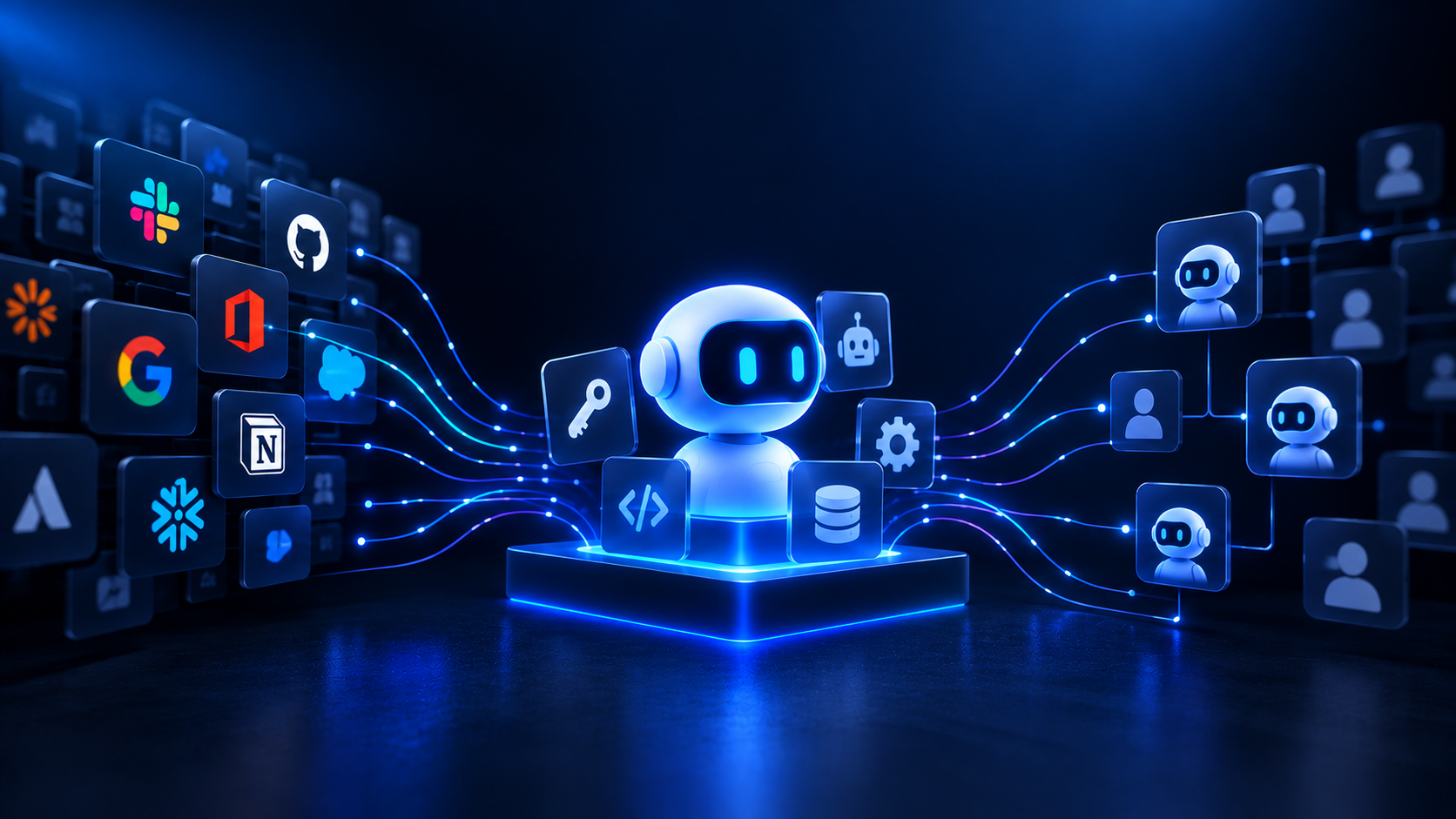
IAM platforms synchronize directly with Identity Providers (IdPs) like Okta or Microsoft Entra ID. However, the majority of NHIs—such as developer API keys, third-party OAuth app integrations, and generative AI agent connections—are spawned directly inside target SaaS platforms (e.g., Salesforce, Workday, Slack, GitHub) without ever passing through the IdP.
Autonomous AI agents and automation bots rarely operate in isolation. When a user connects an AI productivity tool via OAuth, that tool frequently requests permission to integrate downstream services. This creates multi-hop identity chains where human-granted scopes are inherited by third-party agents without ongoing verification.
Human employees eventually exit the organization, triggering directory deprovisioning. Service tokens, personal access tokens (PATs), and webhooks have no natural expiration date unless manually enforced. When engineering or business teams migrate services or change vendors, abandoned tokens retain read/write access indefinitely.
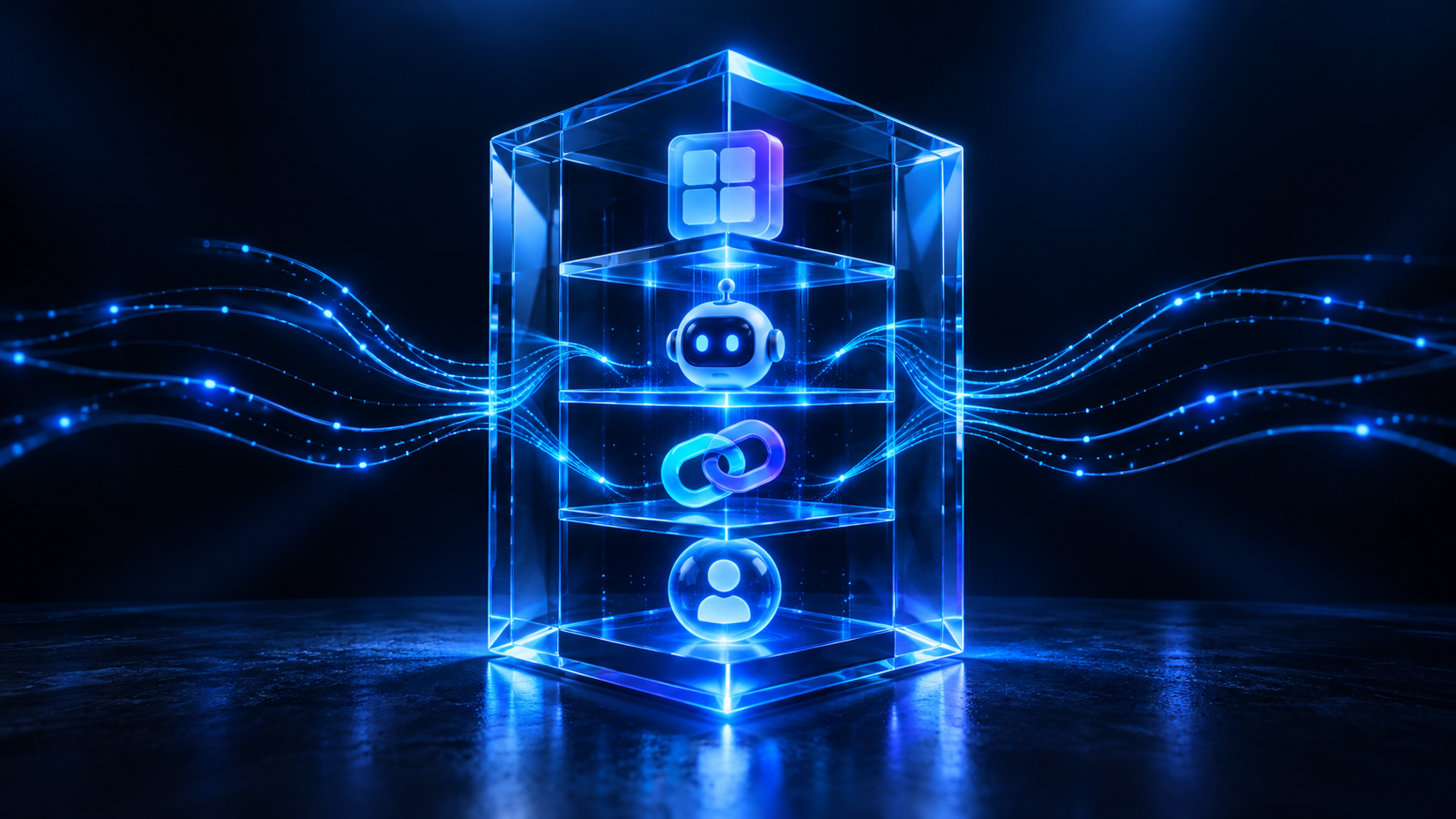
Securing machine and autonomous agent access requires a structured five-stage lifecycle model:
You cannot manage what you cannot see. Security teams must continuously discover all non-human credentials across SaaS applications, cloud infrastructure, and CI/CD pipelines. This includes:
• Discovered service accounts and system-to-system integrations.
• Active and dormant OAuth app grants.
• API keys, personal access tokens (PATs), and webhook secrets.
• Autonomous AI agent tokens and tool integrations.
Every machine identity must be mapped to a verified human owner and business context. Attribution requires answering three fundamental questions:
1. Who created or authorized this credential?
2. Which business service or automated process relies on it?
3. What data and systems does it touch?
When an employee departs, automated ownership reassignment prevents credentials from becoming orphaned.
Most machine credentials are granted broad administrative permissions for initial convenience and never trimmed. Lifecycle governance continuously analyzes actual token usage against granted permissions, identifying unused scopes and flagging excessive privileges before they can be exploited.
NHI management requires policy-driven rotation schedules tailored to token criticality. Active monitoring detects configuration drift, unexpected privilege escalation, and anomalous communication patterns—such as a token making requests from unapproved IP ranges or unusual geographic locations.
When a SaaS tool is retired, a project completes, or an AI workflow is discontinued, the associated NHIs must be revoked immediately. Automated offboarding severs OAuth authorizations, invalidates API keys, and deletes dormant service accounts, eliminating attack surface before credentials fall into adversary hands.
The explosive adoption of enterprise AI agents has introduced unprecedented complexity into NHI lifecycle management. As documented in Grip's proprietary Rule of 17 AI Agent Research, enterprises now average 1 autonomous AI agent for every 17 human identities, with over 54% of organizations experiencing rapid AI sprawl.
Autonomous AI agents do not simply consume data—they execute actions across SaaS platforms using API tokens and delegated OAuth access. Securing agent identities requires:
• Agent Identity Attestation: Treating every agent instance as a unique, traceable non-human identity.
• Dynamic Scope Boundaries: Restricting agent runtime permissions to strict, task-specific parameters rather than persistent tenant-wide access.
• Behavioral Anomaly Monitoring: Continuously auditing agent API velocity and data retrieval volumes to detect compromised agents or prompt-injection exploitation.
Human identity management governs employee and contractor access through HR directories, MFA, and SSO portals. Non-human identity lifecycle management governs machine-to-machine credentials—such as API keys, OAuth tokens, service accounts, and AI agents—that interact programmatically without human logins, often lacking directory integration or built-in expiration dates.
NHIs frequently hold excessive permissions, are rarely rotated, and remain active long after their initial projects end. Attackers target compromised developer tokens, leaked API keys, or over-privileged OAuth integrations to access SaaS databases directly via APIs, bypassing endpoint defenses and MFA entirely.
Grip provides comprehensive discovery, context, and automated governance for human and non-human identities across enterprise SaaS and AI environments. Grip maps every OAuth grant, API token, and AI agent to its human sponsor, identifies inactive or risky credentials, and enables zero-touch remediation without disrupting production workflows.
Ready to eliminate machine credential blind spots and secure your autonomous AI workforce? Discover and govern all non-human identities with Grip AI Security.