Claude Tag Is Just Another Identity. That's Why Grip Can Secure It Today.

Jun 30, 2026

blue polygon icon

Claude Tag introduces a new way to collaborate with AI inside Slack, but it doesn't require a new security model. It requires identity governance.

Link to Linkedin
This webinar will cover:
In this webinar:
See More
See more
Fill out the form and watch webinar
Oops! Something went wrong while submitting the form.
Register now and save your seat!
Registration successful!
Webinar link will be sent to your email soon
Oops! Something went wrong while submitting the form.
In this webinar:
See More
See more

Anthropic's launch of Claude Tag marks another milestone in the evolution of enterprise AI. By bringing Claude directly into Slack as a persistent teammate, organizations can collaborate with AI in shared channels, connect it to business applications, and make it part of everyday workflows instead of isolated conversations.

For security teams, the excitement quickly gives way to more practical questions. If Claude Tag can access GitHub, Salesforce, or internal knowledge, who controls that access? Which Slack channels can reach those connected systems? Where has Claude Tag been deployed, and who is responsible for it?

Those questions need answers today, not after the next wave of AI adoption. That's why Grip is announcing support for Claude Tag, making it the first security solution on the market to provide governance for this new AI identity. While much of the industry is focused on what Claude Tag can do, Grip is focused on helping organizations understand where it exists, what it can access, and how to keep that access appropriately governed from day one.

Key Takeaways

  • Claude Tag introduces a shared AI identity that should be governed like any other enterprise identity.  
  • AI agents inherit permissions, access business applications, and create new identity relationships across AI + SaaS environments.  
  • Organizations do not need a new security model for every AI product—they need identity-centric governance.  
  • Grip discovers, inventories, and governs Claude Tag alongside users, service accounts, and other non-human identities.  

What is Claude Tag from a Security Perspective?

Claude Tag is a shared AI agent that authenticates, receives permissions, accesses enterprise applications, and operates as a non-human identity. Security teams should govern it using the same identity controls applied to users, service accounts, and machine identities.

AI Innovation Is Moving Faster Than Security Teams Can React

Enterprise AI is evolving at an incredible pace. Every month introduces another intelligent assistant, autonomous workflow, or AI powered teammate that promises to make employees more productive.

For security teams, that pace creates a difficult challenge. Building a new governance model for every AI announcement simply does not scale. What organizations need instead is a durable security model that adapts as AI evolves.

Claude Tag is an excellent example. While the experience feels new, the security questions are familiar. It has permissions. It can access business applications. It participates in collaboration platforms. It inherits trust from administrators and users.

Those are identity problems, not AI problems.

Claude Tag Is an AI Agent. Security Should Treat It Like an Identity

The easiest way to understand Claude Tag from a security perspective is to stop thinking about it as a chatbot. From a security perspective, Claude Tag behaves like any other nonhuman identity. It authenticates, receives permissions, accesses resources, and operates within boundaries established by administrators.

Like every other identity in your environment, Claude Tag authenticates, receives permissions, accesses resources, and operates within boundaries established by administrators. It may be powered by AI, but from a governance perspective it behaves much like any other service account or machine identity.

That distinction matters.

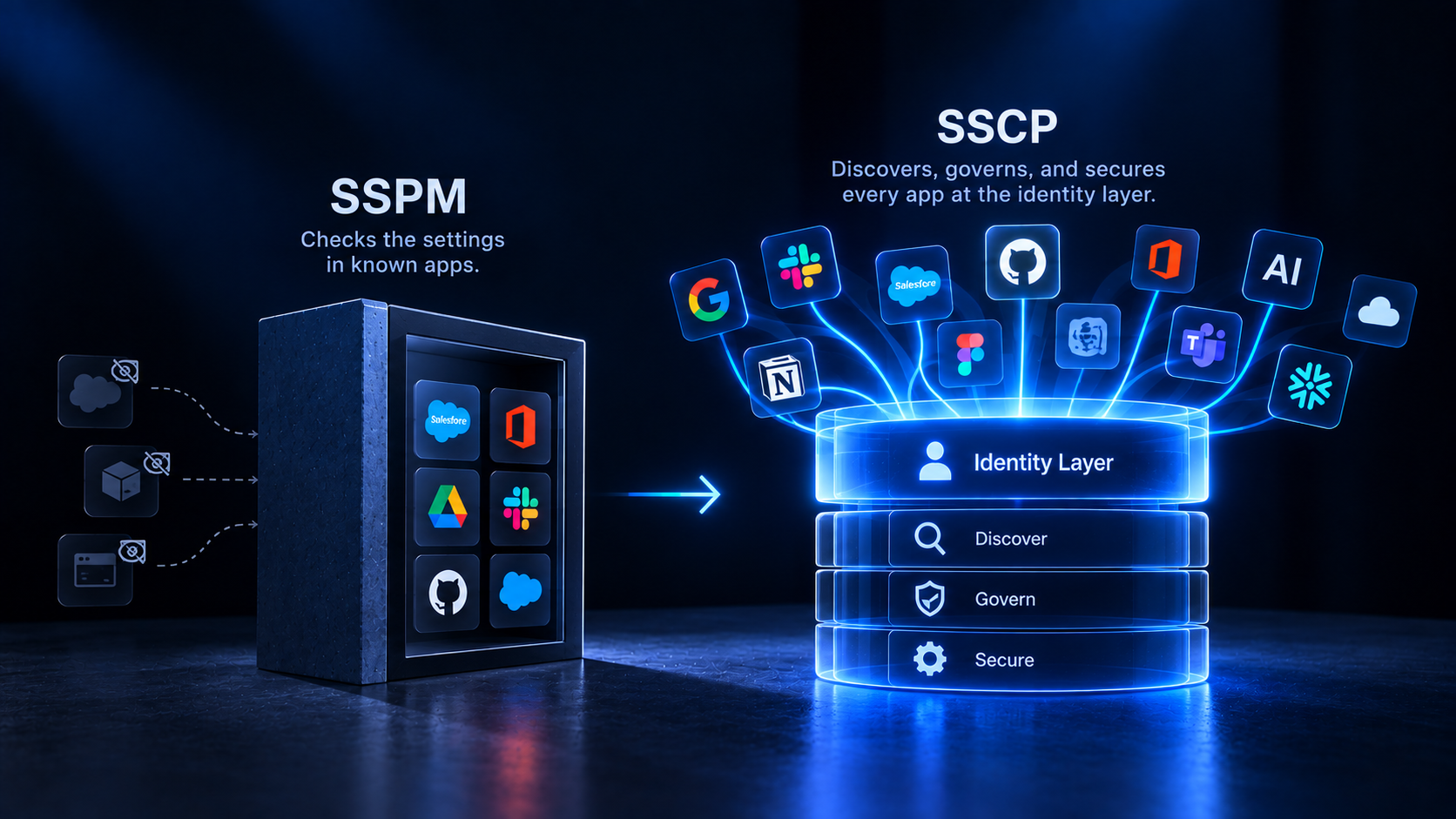
Security teams should not have to purchase a new point solution every time another AI capability launches. Instead, AI agents should become part of the same governance framework already used to discover, monitor, and manage identities across the enterprise.

This identity first approach is exactly why Grip was able to support Claude Tag immediately.

Governing Claude Tag with Grip

Because Grip already models AI agents and other nonhuman identities, Claude Tag naturally becomes part of the existing governance workflow.

Grip NHI Inventory and Claude Tag users

Within Grip, security teams can immediately see where Claude Tag has been deployed throughout the organization. They can identify the users who deployed it, understand which Slack workspaces and channels it participates in, and build a complete inventory of its presence across the enterprise. But visibility is only the beginning.

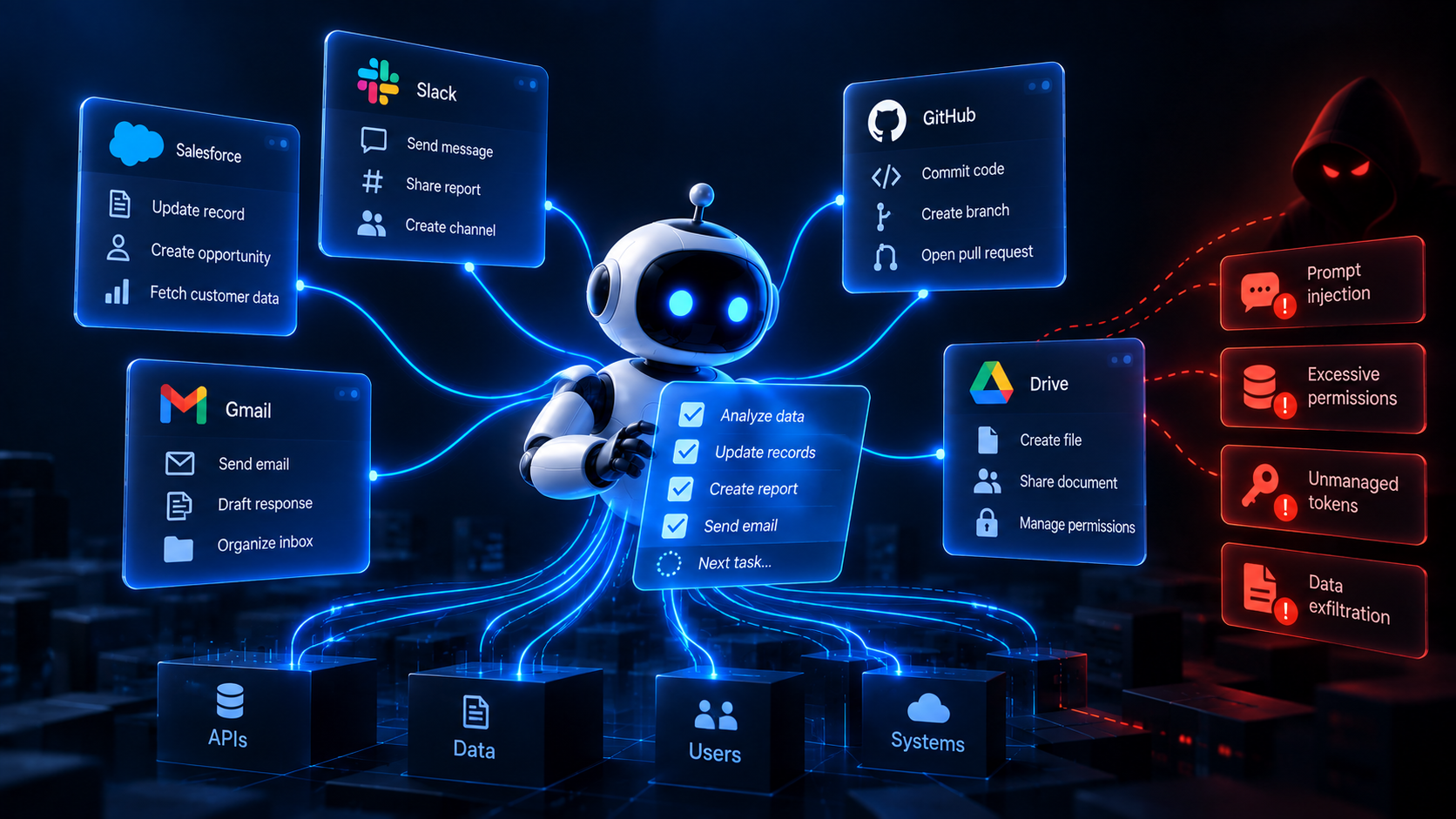
Claude Tag operates with the permissions granted by its administrators. When it's connected to systems like GitHub, users interacting with Claude Tag can leverage those capabilities through the agent. The same is true for virtually every enterprise application, including Salesforce, Snowflake, Workday, ServiceNow, AWS, and thousands of others that make up today's SaaS ecosystem.

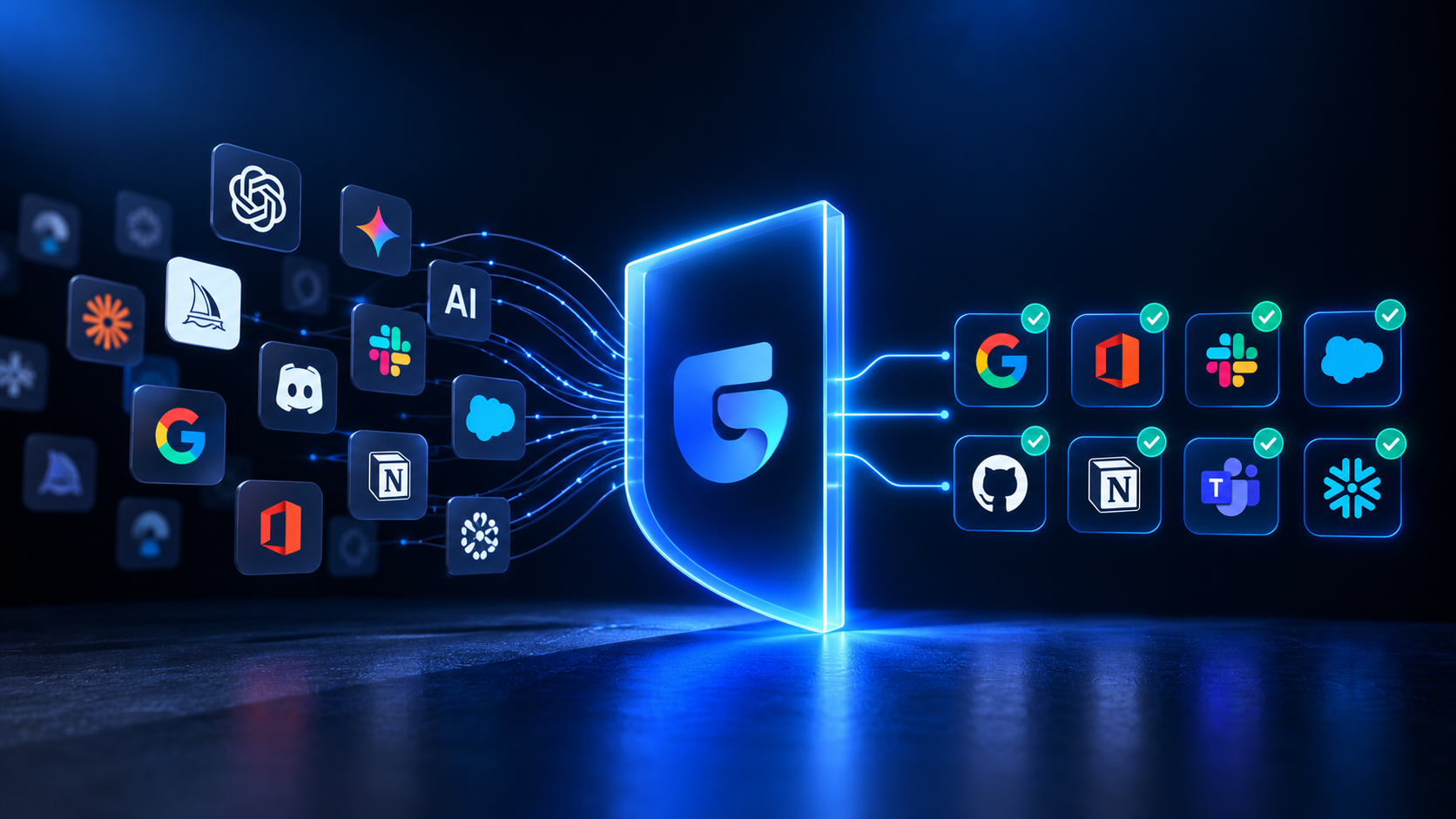
Because Grip is connected not only to Claude, but also to Slack and the broader SaaS ecosystem, security teams gain a complete view of how Claude Tag is deployed and what it can access. They can see where the agent exists, which channels it participates in, the permissions it has been granted, and the downstream applications those permissions can reach. That visibility enables organizations to govern Claude Tag with the same identity-driven controls they already use across the rest of their environment.

The risk isn't unique to Claude Tag. It's the same identity challenge security teams have been managing for years, now expressed through AI. Overpermissioned agents can unintentionally extend access to sensitive systems, making visibility into their identities, permissions, and connected applications essential for maintaining least privilege.

That's where Grip's identity-driven approach makes the difference. By treating AI agents as nonhuman identities, Grip gives security teams visibility into where Claude Tag is deployed, what it can access, and which connected applications it can reach through delegated permissions. That context helps organizations right size access before it becomes a security problem.

Grip also provides detailed visibility into the Slack permissions and OAuth scopes granted to Claude Tag. Security teams can review the agent's ability to read and write messages, interact with channels, access private conversations, work with canvases, and perform other actions within Slack.

Claude Tag Scopes in Grip Platform

Organizations that manage security from the SaaS perspective can also view Claude Tag through Grip's broader SaaS governance capabilities. Teams can review identity and access management, role assignments, authentication coverage, security posture, AI related activity, and emerging agentic risks without switching between multiple tools.

Holistic view of Claude in Grip paltform, including Discovery (IAM, NHIs, Agents, Extensions, Desktop deployments, Prompt Monitoring), Posture (Secure Access, Misconfigurations) and TDR>

For a complete walkthrough of these capabilities, watch the demonstration below.

Why Identity Is the Right Foundation for AI Governance

Claude Tag will not be the last AI agent your organization adopts. Over the coming months, enterprises will deploy AI coding assistants, research agents, customer support agents, workflow automation platforms, and entirely new categories that have yet to emerge.

Each product will introduce new capabilities and expose different risks. And every single one of them will introduce new identities that authenticate, inherit permissions, connect to applications, and gain access to sensitive data. In other words, they will increasingly act on behalf of users, often with access to multiple enterprise systems simultaneously. Without visibility and governance, that creates risk at a speed few organizations are prepared to manage.

That is why identity remains the most durable control plane for governing AI. Organizations should not have to reinvent security every time AI evolves. They need governance that naturally extends to new identities as they appear.

Looking Ahead

Supporting Claude Tag is more than a feature announcement.

It reflects the architectural decisions behind Grip's identity-driven approach to SaaS security. Because Grip already discovers, inventories, and governs nonhuman identities, new AI agents can be incorporated into existing security operations without waiting for entirely new products or workflows.

Today's announcement is about Claude Tag, but tomorrow it will be another AI agent. The underlying challenge remains the same, and so does the solution:  

If it behaves like an identity, it should be governed like one.

See Claude Tag Governance in Action

Claude Tag is changing how organizations collaborate with AI. Security should not have to slow that innovation down.

Watch the demo to see how Grip provides immediate visibility into Claude Tag deployments, permissions, connected applications, and identity relationships, helping security teams confidently govern AI agents from day one.

The complete SaaS identity risk management solution.​

Uncover and secure shadow SaaS and rogue cloud accounts.
Prioritize SaaS risks for SSO integration.
Address SaaS identity risks promptly with 
policy-driven automation.
Consolidate redundant apps and unused licenses to lower SaaS costs.
Leverage your existing tools to include shadow SaaS.​

See Grip, the leading SaaS security platform, live:​