May 1, 2026
AI Security Checklist for CISOs (2026)


Compare the best AI governance tools for enterprises in 2026. Learn what most platforms miss and how to truly control AI risk.

May 1, 2026
Compare the best AI governance tools for enterprises in 2026. Learn what most platforms miss and how to truly control AI risk.
AI is already embedded across your SaaS environment. It shows up in copilots, chat tools, integrations, and workflows your teams rely on every day. The risk is not theoretical. It is operational, distributed, and often invisible.
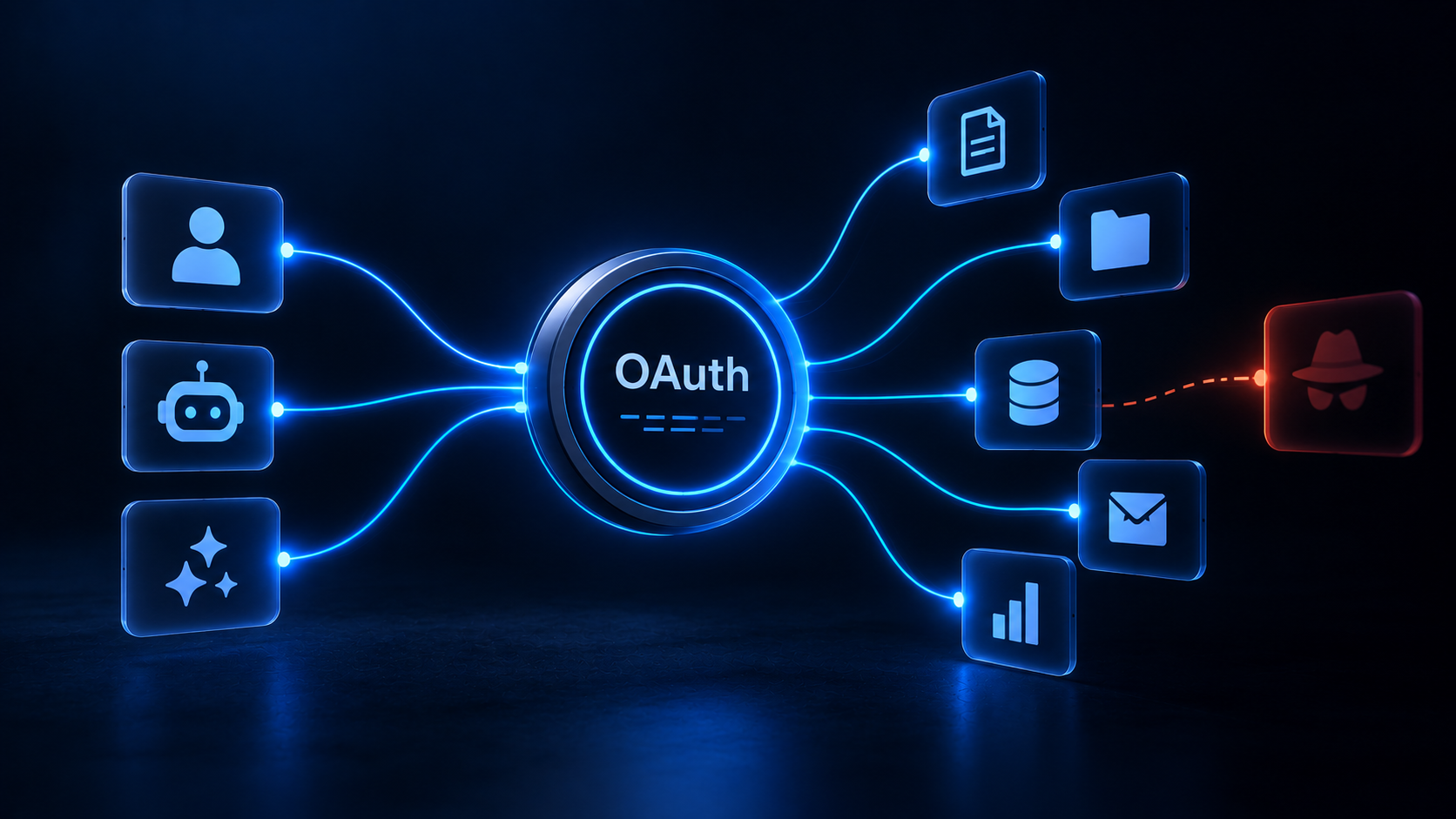
Most security programs are not designed for this reality. They focus on models, policies, or approved tools. Meanwhile, AI is being accessed through identities, connected through OAuth, and operating across SaaS environments with broad permissions.
That is where the real exposure lives. It's worth nothing AI-related attacks increased ~490% year over year.
This checklist is built for CISOs who need a practical way to secure AI where it actually operates.
AI security is the ability to control how AI tools access data, systems, and identities across your environment.
In practice, this means:
This is why AI security sits within a broader AI governance framework. Governance defines policy. Security enforces it across real-world usage.
This checklist is designed to be used, not just read. Each section reflects where AI risk actually emerges in modern environments.
You cannot secure what you cannot see. Most AI usage happens outside of approved channels, often as shadow AI that bypasses security oversight.
Checklist:
Real-world implication:
Without visibility, AI usage grows unchecked. Sensitive data is shared, access expands, and risk accumulates silently.
AI inherits the permissions of the identities that use it, which is why securing AI across SaaS environments starts with access control.
Checklist:
~80% of incidents involve sensitive or regulated data.
Real-world implication:
If an AI tool can access your CRM, file storage, or support systems, it can expose that data. The risk follows access.
Most AI tools connect through OAuth. These connections are rarely governed with the same rigor as users.
Checklist:
Quotable insight:
AI security gaps rarely come from models. They come from unmanaged integrations.
For a deeper look at how this risk develops, see how shadow AI expands exposure across SaaS environments.
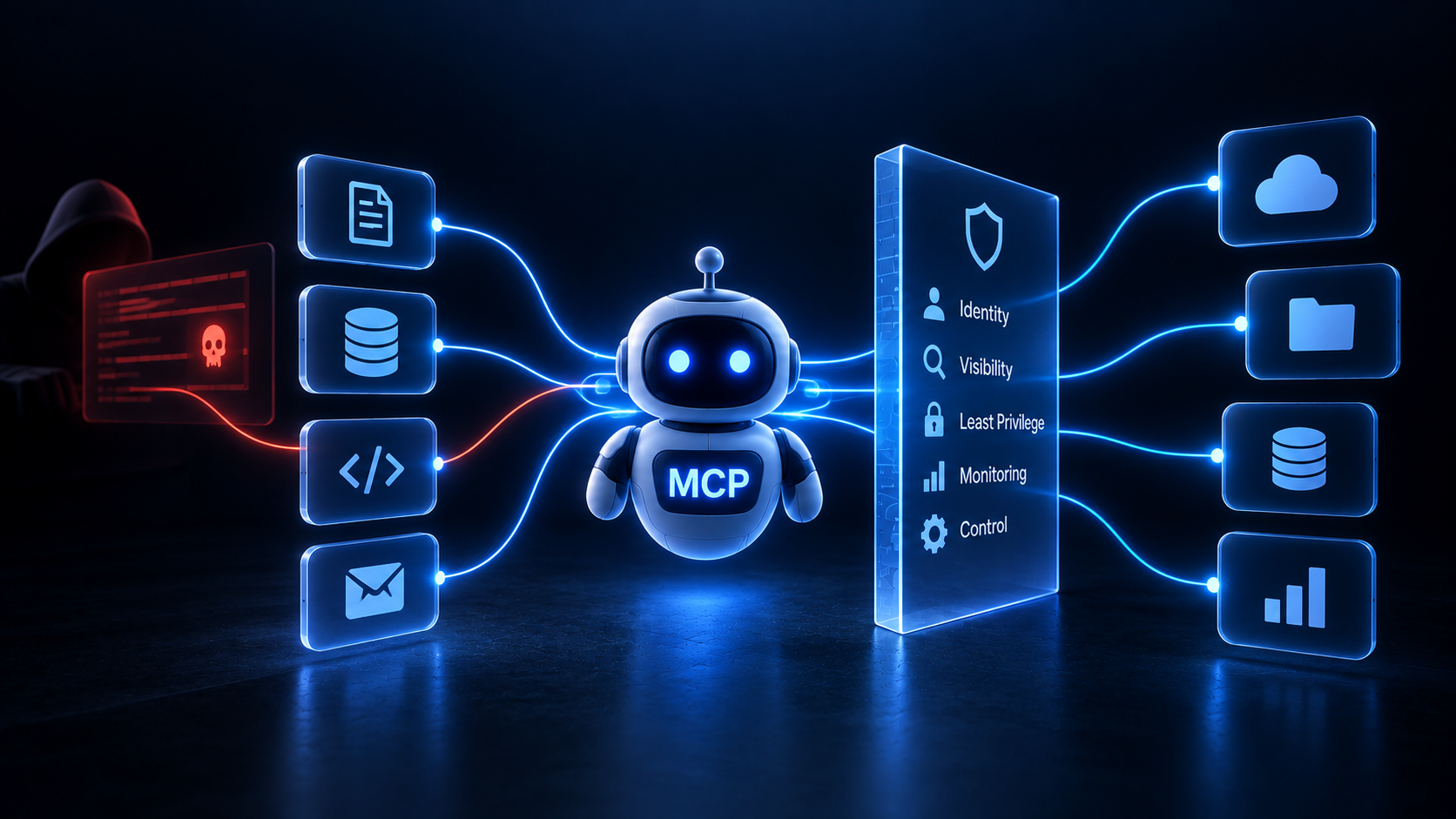
AI agents, service accounts, and automation workflows operate as non-human identities. They often have persistent access and limited oversight.
Checklist:
Enterprises now operate thousands of SaaS applications, many with embedded AI and automation.
Each integration introduces new non-human identities.
To understand this layer in more detail, see: What Are Non-Human Identities? (Risks, Types, and Security).
AI usage is dynamic. Controls must operate continuously, not just at setup.
Checklist:
Quotable insight:
Visibility without enforcement is just observation.
Many organizations start with policies. Approved tools. Usage guidelines. Model evaluations.
These are necessary, but insufficient.
AI risk does not originate at the model layer. It emerges when AI interacts with your environment.
This is why many AI security initiatives stall. They operate above the layer where risk actually exists.
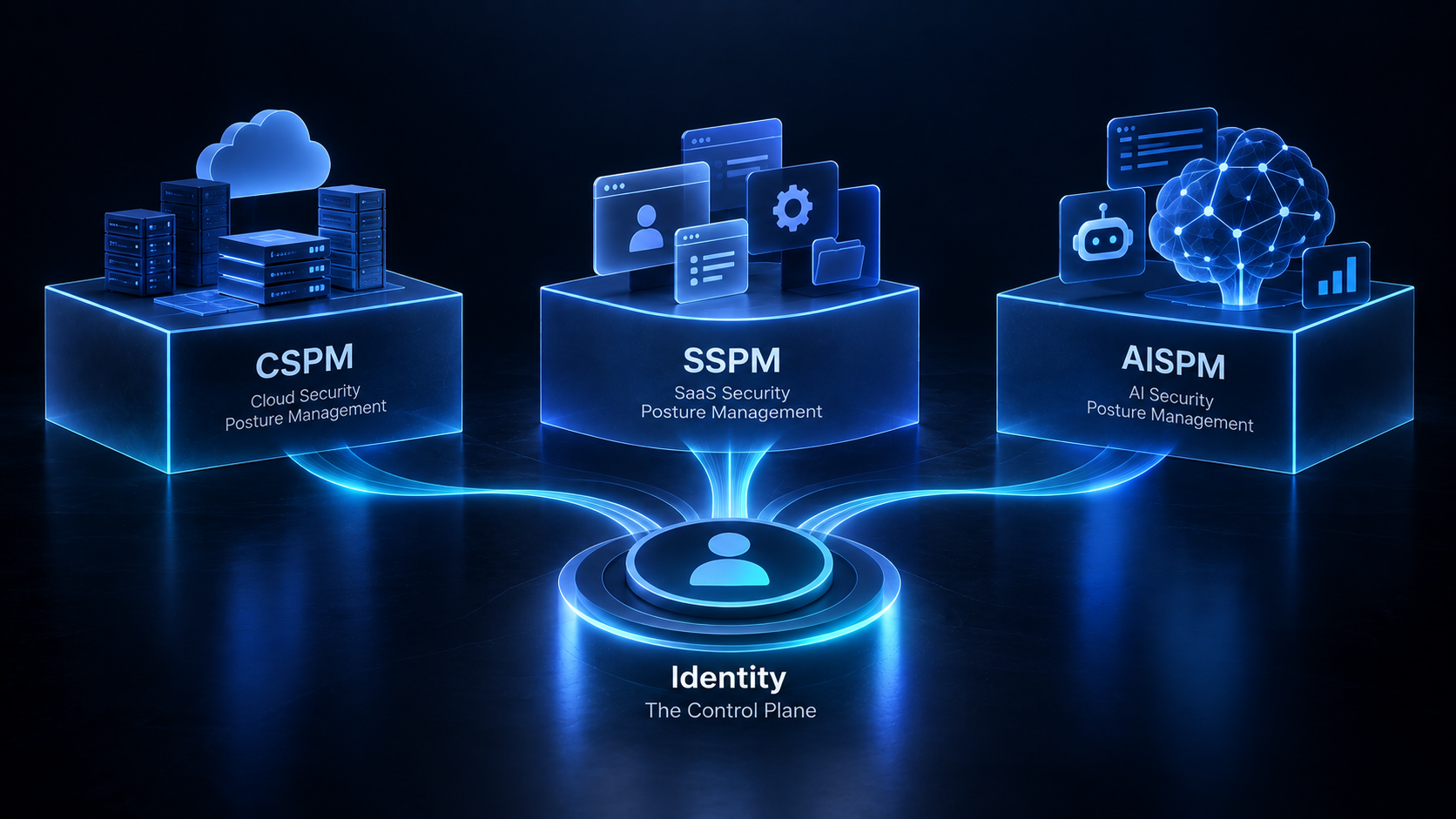
AI risk is embedded in the same systems that already define your security posture:
This is also why many organizations struggle to operationalize AI governance across SaaS environments.
It looks like a new category. In reality, it is an acceleration of existing exposure across identity and access.
For a deeper breakdown, see how AI risk management applies in SaaS environments.
When these controls are not in place, the failure pattern is consistent:
This is how modern AI-related incidents unfold.
AI security does not start with the model. It starts with controlling access, identities, and integrations across your SaaS environment.
Learn how to operationalize this approach with AI security controls built for SaaS environments.
An AI security checklist is a structured set of controls that helps organizations identify, manage, and reduce risks associated with AI usage across their environment.
AI introduces new access patterns, integrations, and non-human identities that expand the attack surface beyond traditional controls.
Uncontrolled access. Most AI-related risk comes from what systems and data AI tools can reach, not the models themselves.
Start with visibility, then enforce access control, secure integrations, manage non-human identities, and implement continuous monitoring.

Fill out the form and watch webinar's video.