Jan 28, 2026
The AI Governance Conversation Everyone’s Avoiding


AI governance feels harder than it should because it’s starting in the wrong place. Learn why AI risk lives in SaaS connections, not just tools.

Jan 28, 2026
AI governance feels harder than it should because it’s starting in the wrong place. Learn why AI risk lives in SaaS connections, not just tools.
Mention it in a meeting and you can almost feel the reaction: another framework, another working group, another attempt to govern something no one can fully grasp.
That reaction isn’t because teams don’t care about AI risk. It’s because most AI governance conversations start in the wrong place, with the wrong assumptions.
Which is why AI governance feels harder than it should. Not because it’s new, but because it doesn’t look like governance used to.
Most organizations assume AI governance begins when someone proposes a new AI tool. From there, a review is scheduled. A policy is drafted. A decision is made.
That model worked when technology entered the business slowly, deliberately and through limited channels.
AI doesn’t do that.
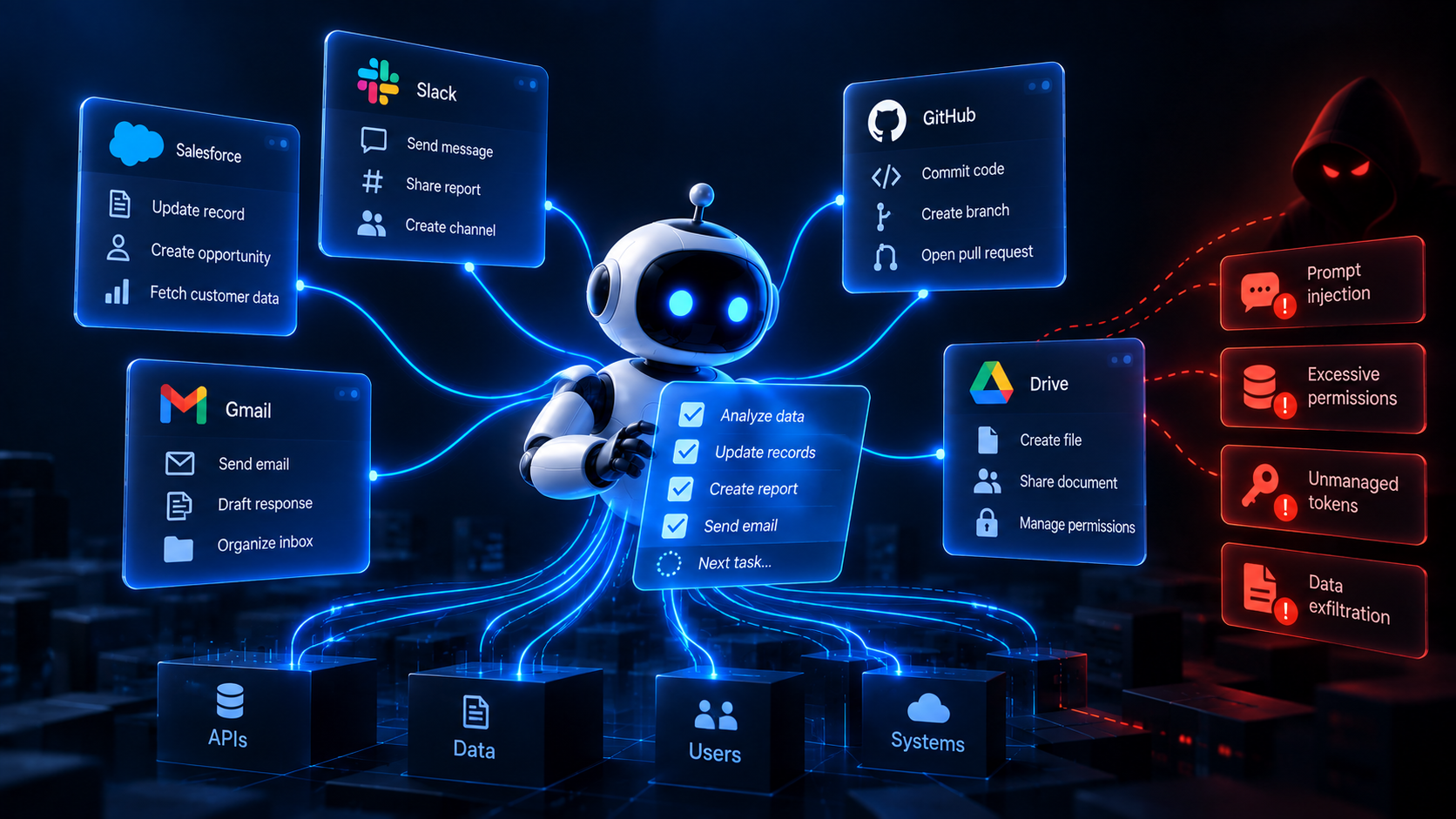
Today, AI arrives silently through SaaS updates, embedded features, copilots, integrations, and browser extensions. It doesn’t announce itself. It doesn’t wait for approval. And it doesn’t show up neatly labeled as “AI risk.”
As a result, governance teams aren’t just failing to govern AI. They’re focused on the wrong altogether.
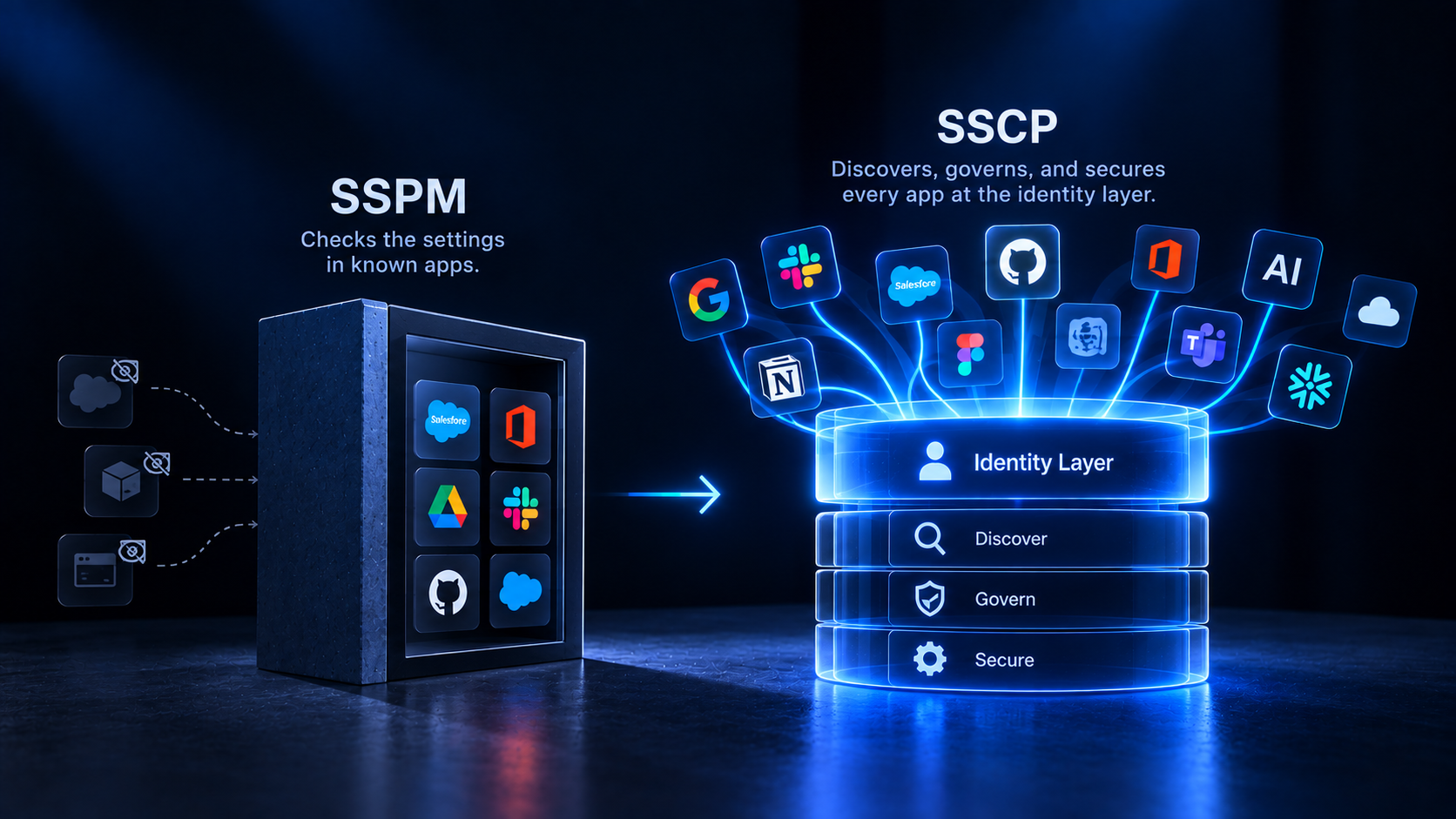
The real AI activity is happening in the connections between SaaS platforms, identities, and data. That’s why AI governance often feels incomplete even when policies exist.
Here’s the uncomfortable but clarifying truth:
AI governance didn’t create a new job.
It expanded an existing one.
AI now lives inside decisions that security, IT, and risk leaders already own:
Seen this way, AI governance isn’t a standalone initiative. It’s an convergence of SaaS governance, identity governance, and third-party risk, whether or not it’s been labeled that way internally.
Once leaders recognize this, the conversation gets much simpler.
Most teams stall because they think AI governance requires a perfect plan. It doesn’t.
What it requires is a shift in how you think about control.
First, move from approval to visibility.
As our CTO Idan Fast often notes, you can’t govern or even invest in what you can’t see.
Before debating what should or shouldn’t be allowed, organizations need a clear picture of where AI is already operating across SaaS environments.
Second, move from tools to connections.
AI risk doesn’t live in a single application. It lives in OAuth grants, embedded features, browser extensions, unseen agents, and automated workflows that quietly persist over time.
Third, move from one-time reviews to continuous oversight.
AI changes too quickly for annual assessments. Governance has to notice drift — new integrations, new permissions, new data exposure — as it happens.
None of this requires slowing innovation. It requires aligning governance to how AI actually behaves.
Many leaders worry that admitting limited visibility means they’re already behind. The reality is the opposite.
Every organization is dealing with this shift at the same time. The difference isn’t who adopted AI first, but who adjusted their governance model fastest.
The organizations that already made that shift aren’t winning by restricting AI more aggressively. They’re winning because they can see AI clearly, with the context and control needed to respond without panic.
This is the gap Grip is designed to close.
Not by replacing governance programs, but by making them operational in the era of AI. Grip helps organizations understand where AI exists across SaaS environments, how it connects to identities and data, and how that exposure changes over time.
Just as importantly, it gives teams the ability to act on what they see. That means tightening access, managing integrations, and reducing risk as AI usage evolves, not months later during a review cycle.
AI governance works best when it’s continuous, contextual, and tied to how the business actually runs. Visibility is the starting point. Control is what makes it effective.
AI governance has a branding problem because it’s still being explained through the wrong lens.
When organizations stop treating AI as something to approve and start treating it as something to continuously understand and manage, governance stops feeling heavy. It becomes part of how the business already operates, not a layer on top of it.